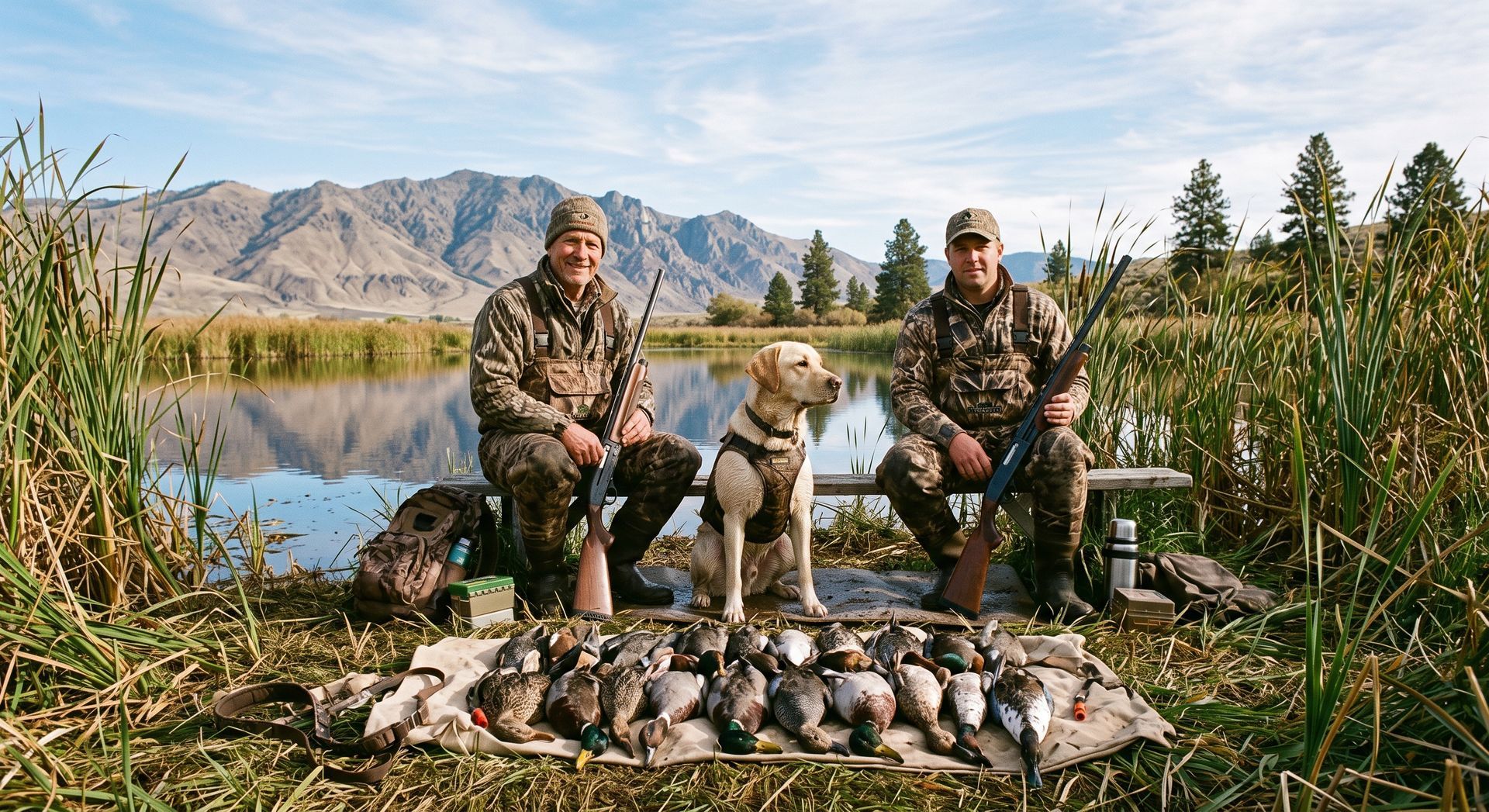
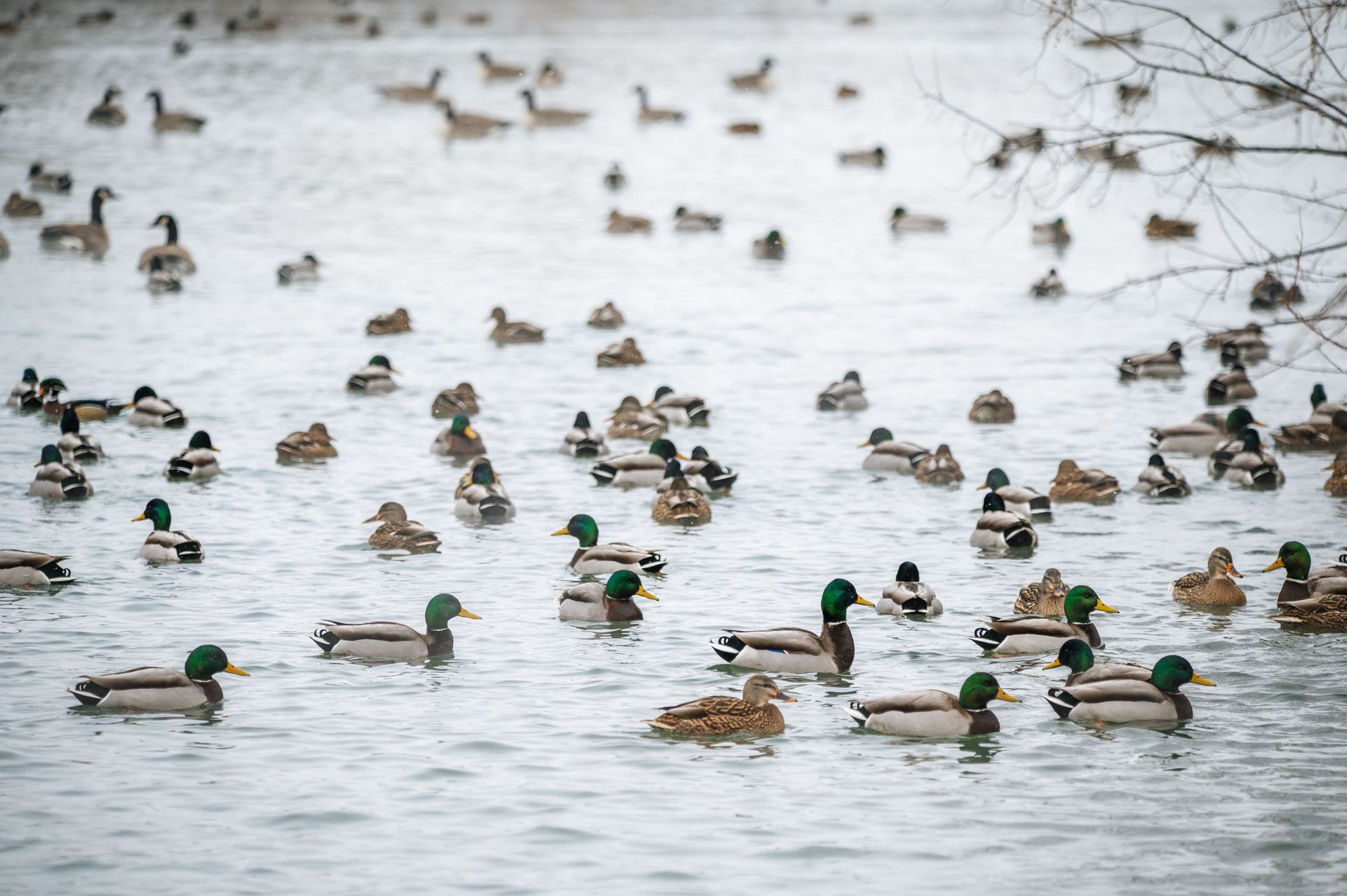
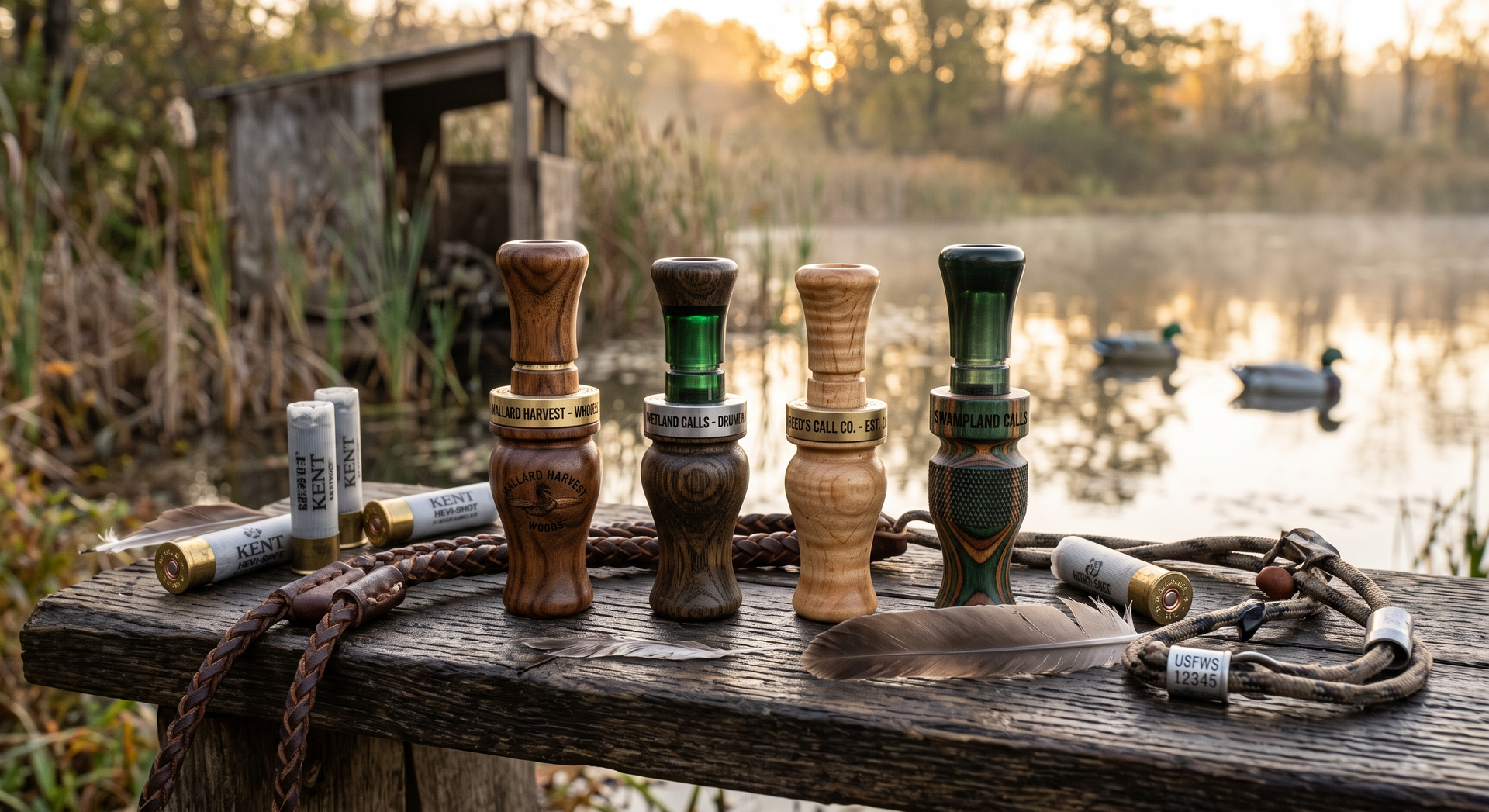
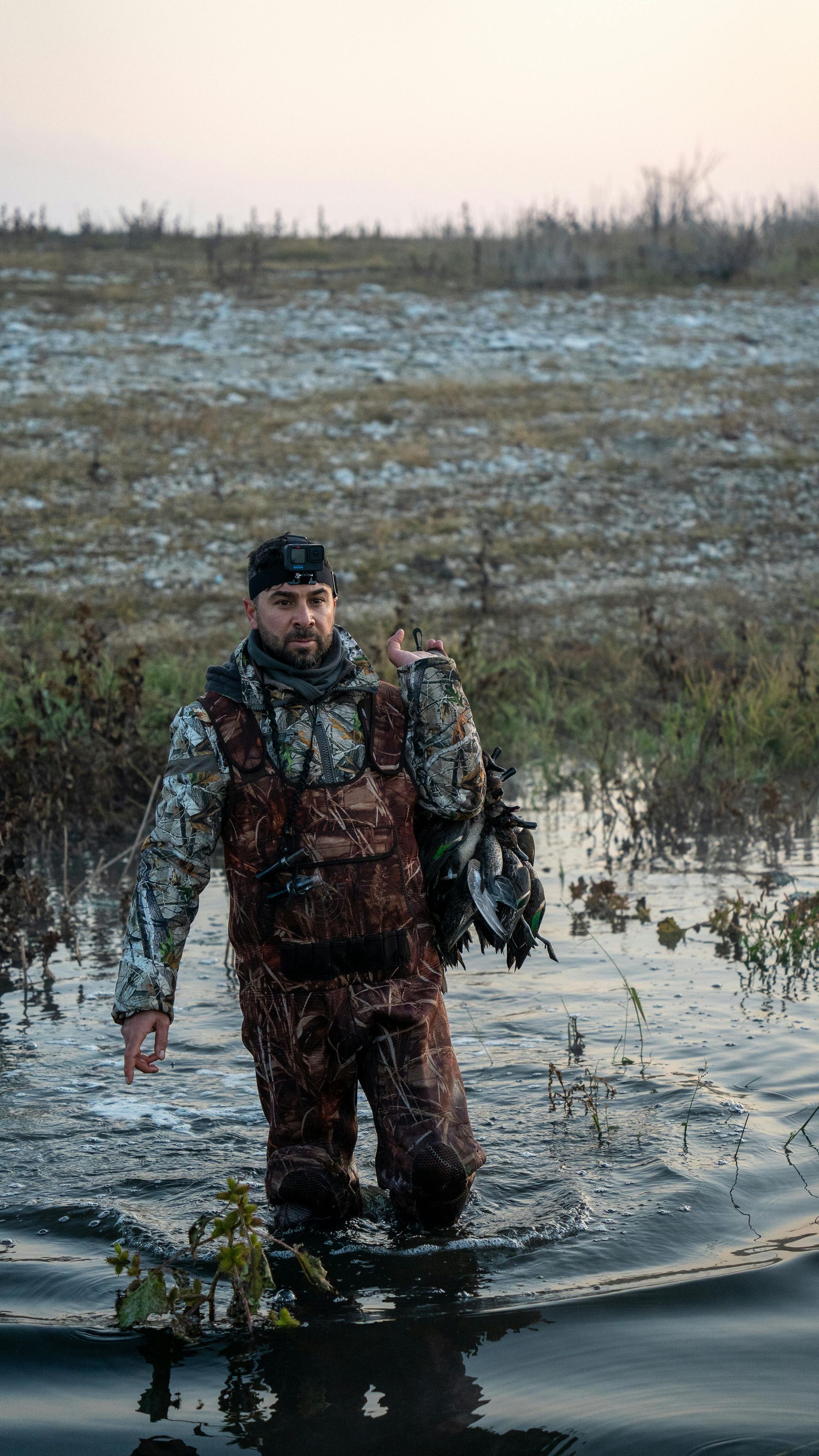
When it comes to duck and goose hunting in Arkansas, few states can compare. Each year, millions of waterfowl pour down the Mississippi Flyway, making Arkansas a bucket-list destination for serious hunters.
But once you decide to hunt in the Natural State, you’re faced with a key question:
Should you hunt public land or book a private land hunt?
Both options offer incredible opportunities, but they come with very different experiences. At Bayou Bottoms Guide Service, we’ve hunted and guided on both, and we know the pros and cons of each side of the levee.
We will break down the differences between public vs. private land waterfowl hunting in Arkansas, helping you choose the best path for your next hunt.
Public Land Waterfowl Hunting in Arkansas
Arkansas has some of the most legendary public hunting areas in the country. Names like Bayou Meto, St. Francis Sunken Lands, and Dave Donaldson Black River WMA are known nationwide. These areas are managed by the Arkansas Game & Fish Commission (AGFC) and attract tens of thousands of resident and non-resident hunters each year.
Pros of Public Land Hunting
1. Low Cost
Public land is open to all licensed hunters. Outside of your license and stamp fees, you won’t pay additional access costs.
2. Large Tracts of Habitat
Many public WMAs span thousands of acres, offering flooded timber, oxbows, and rice fields filled with potential. It’s a waterfowler’s playground—if you know where to go.
3. DIY Freedom
Public hunting allows you to explore, scout, and hunt on your own terms. For experienced hunters who enjoy the challenge and reward of self-guided trips, it’s ideal.
4. Hunting Tradition
There’s a certain thrill to waiting in line at 3:00 AM for a draw, boating into flooded timber with a headlamp, and sharing the water with fellow die-hard hunters. It’s part of Arkansas duck culture.
Cons of Public Land Hunting
1. Heavy Hunting Pressure
Public land—especially famous WMAs—can become overcrowded quickly. On opening day or weekends, competition is fierce. This leads to:
- Educated, call-shy birds
- Early shooting and flaring ducks
- Conflicts between hunting parties over blind sites
2. Limited Access Through Draw Systems
Many popular WMAs require a permit draw or daily on-site drawing. If you're not selected, you’re out of luck—or stuck hunting overflow areas.
3. First-Come, First-Serve Chaos
In non-permit areas, the race to claim blind spots begins well before sunrise. You may boat or wade in hours early only to find someone already there.
4. Lack of Scouting Support
Unless you're local or have time to pre-scout, you’re hunting blind. Public birds move constantly, and knowing where to be is the hardest part.
Private Land Waterfowl Hunting in Arkansas
Private land hunting—whether through a guide service or club membership—offers a very different experience. With access to managed flooded timber, rice fields, and exclusive leases, hunters get a curated, higher-success hunt with less hassle.
Pros of Private Land Hunting
1. Low Pressure = Better Hunting
Private fields are rested between hunts, and the number of hunters is limited. This means:
- Birds are less educated
- Flocks commit more readily
- Calling and decoying are more effective
At Bayou Bottoms, we rotate blinds daily and manage fields to reduce pressure and maintain consistency all season.
2. Guaranteed Access
When you book a private land hunt, your spot is secured. No lotteries. No racing other hunters. Just show up and hunt.
3. Guided Expertise
You don’t need to scout, set decoys, or call birds. A seasoned guide handles:
- Scouting hot fields
- Setting up decoys
- Calling and timing the shot
- Retrieving birds and ensuring safety
This makes private hunts ideal for:
- Non-residents unfamiliar with the area
- Families with kids
- Busy professionals
- Anyone who wants to focus on the hunt, not the logistics
4. Higher Success Rates
On well-managed private land, limit-style hunts are common, especially when cold fronts push fresh ducks into the area. These hunts offer:
- Better blind setups
- Pre-scouted locations
- Access to fields with optimal water and food sources
Cons of Private Land Hunting
1. Higher Cost
Private hunts typically range from $250 to $500 per day per hunter, depending on:
- Whether lodging and meals are included
- Group size
- Type of land (timber vs. field)
While not budget-friendly for everyone, many hunters say the time saved and success rate make the investment worthwhile.
2. Limited Availability
Prime dates during December and January book early. If you wait too long, you may miss the best weather windows and field access.
3. Less DIY Freedom
On a guided private hunt, you follow the guide’s lead. Some seasoned hunters prefer the freedom and control of public land.
Which Option Is Right for You?
Here’s a quick comparison to help decide: