Each fall and winter, Arkansas becomes one of the most active waterfowl destinations in North America. The skies fill with the sound of wings and the echo of calls as ducks travel the Mississippi Flyway. For waterfowl hunters across the country, Arkansas is not just another hunting destination—it is the destination.
This reputation as the duck hunting capital of America is well earned. It comes from a combination of geography, habitat quality, agricultural practices, and a deeply rooted hunting culture. In this article, we’ll explain what sets Arkansas apart and why hunters continue to return season after season.
1. Central Location on the Mississippi Flyway
More than 40 percent of all migratory waterfowl in North America travel along the Mississippi Flyway, which stretches from Canada to the Gulf of Mexico. Arkansas is centrally located in this flyway, making it a natural funnel for large concentrations of ducks and geese.
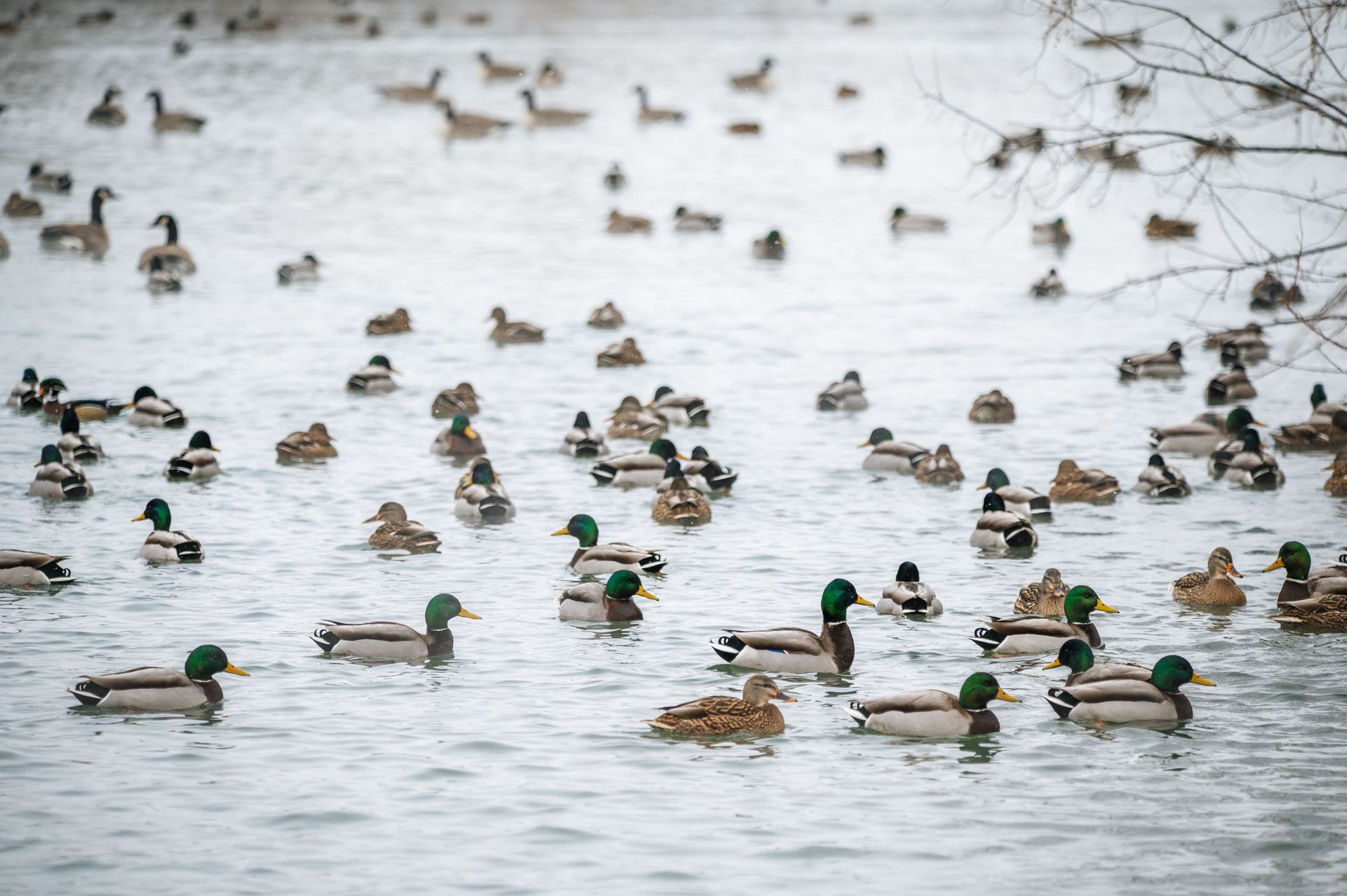
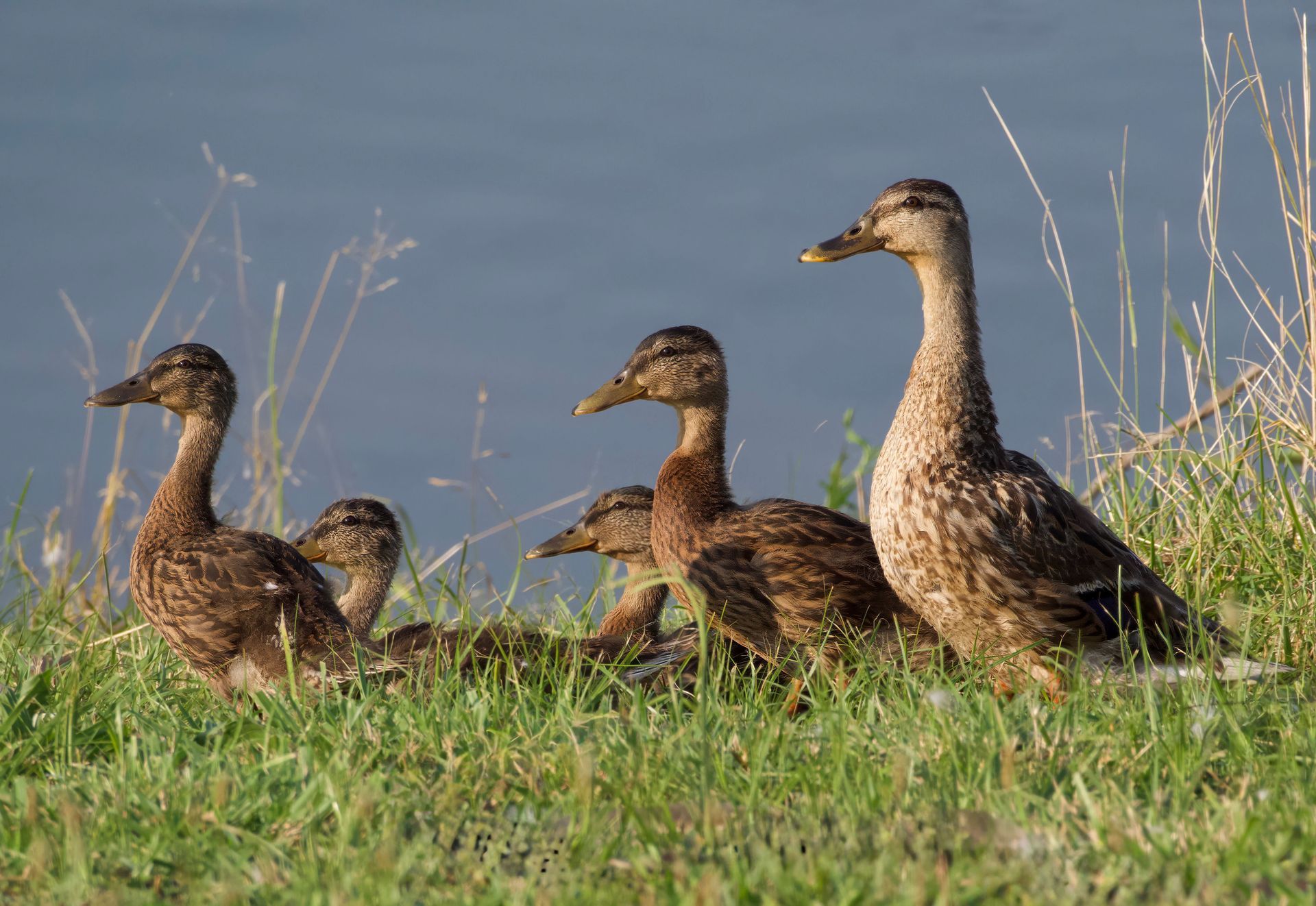
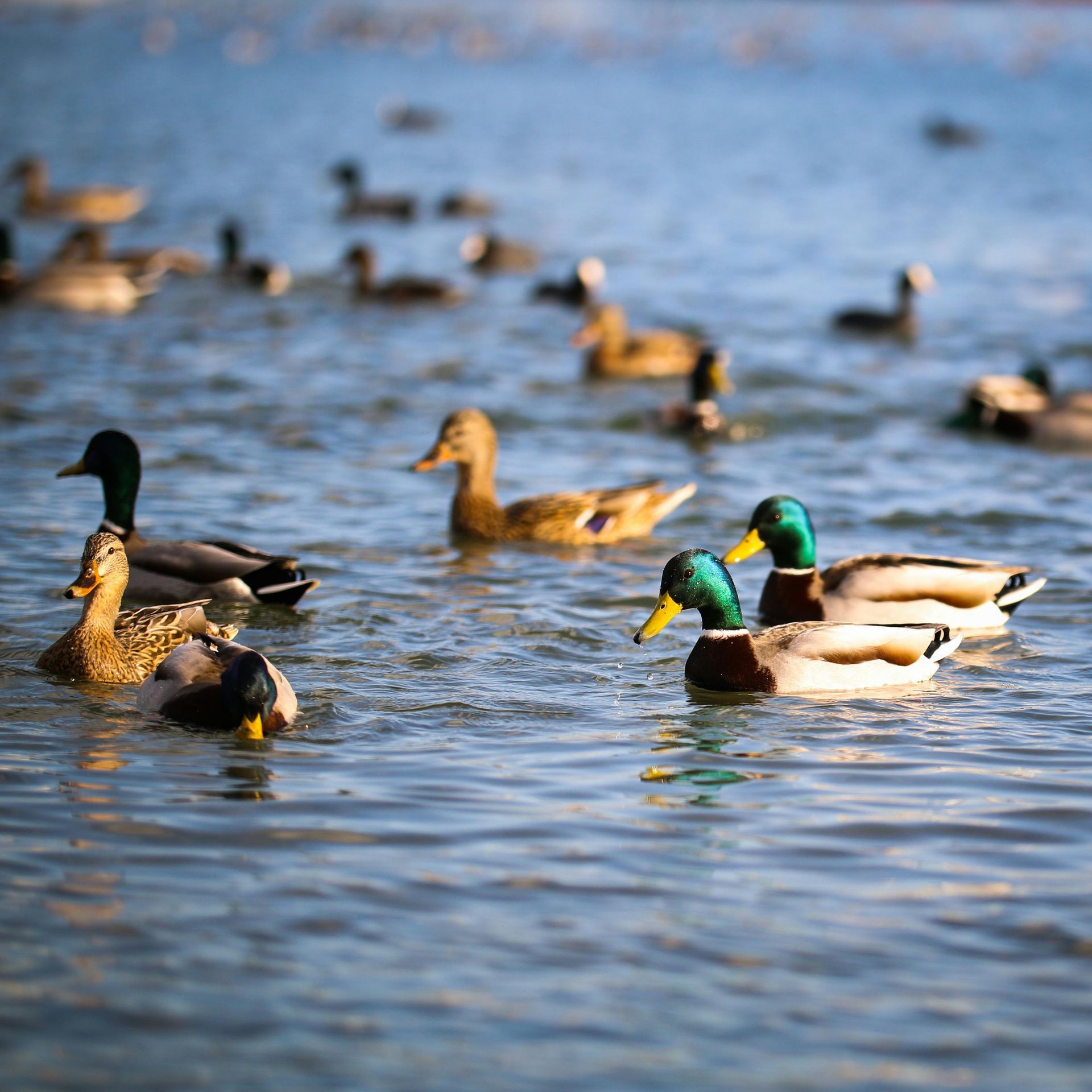
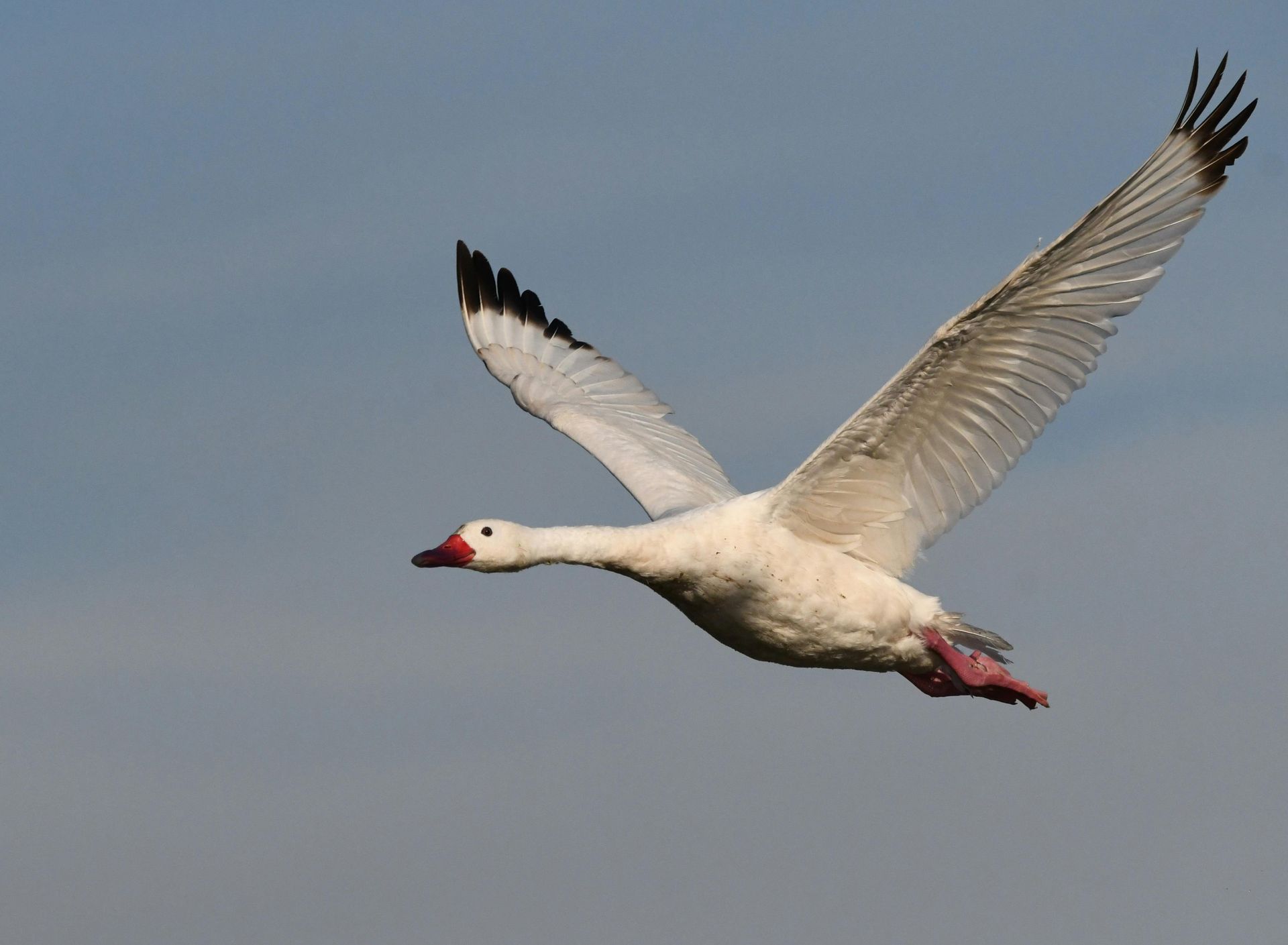
This consistent migratory traffic ensures that hunters in Arkansas enjoy both volume and variety. Mallards, pintails, gadwalls, wigeon, teal, and specklebelly geese all pass through the region. Birds also tend to hold in Arkansas longer than other states due to favorable habitat conditions.
2. Productive Wetland Habitat
Arkansas is home to a wide range of wetland environments that support wintering waterfowl. These include flooded green timber, rice fields, managed moist-soil units, river sloughs, and oxbows. Together, they offer an ideal combination of food, cover, and roosting areas for ducks during their southern migration.
Many of these areas are carefully managed by both private landowners and state wildlife agencies to maintain water levels and food availability throughout the season. The result is high-quality habitat that attracts and holds birds consistently.
3. Impact of Rice Farming on Waterfowl
Arkansas is the top rice-producing state in the country. After harvest, many rice farmers flood their fields to support soil health or to participate in waterfowl conservation programs. These flooded fields create extensive feeding areas for dabbling ducks such as mallards and pintails.
The combination of leftover grain and shallow water makes Arkansas rice country one of the most reliable places to hunt ducks. This agricultural landscape, especially in the eastern Delta region, plays a direct role in sustaining strong duck populations throughout the winter.
4. The Tradition of Flooded Timber Hunting
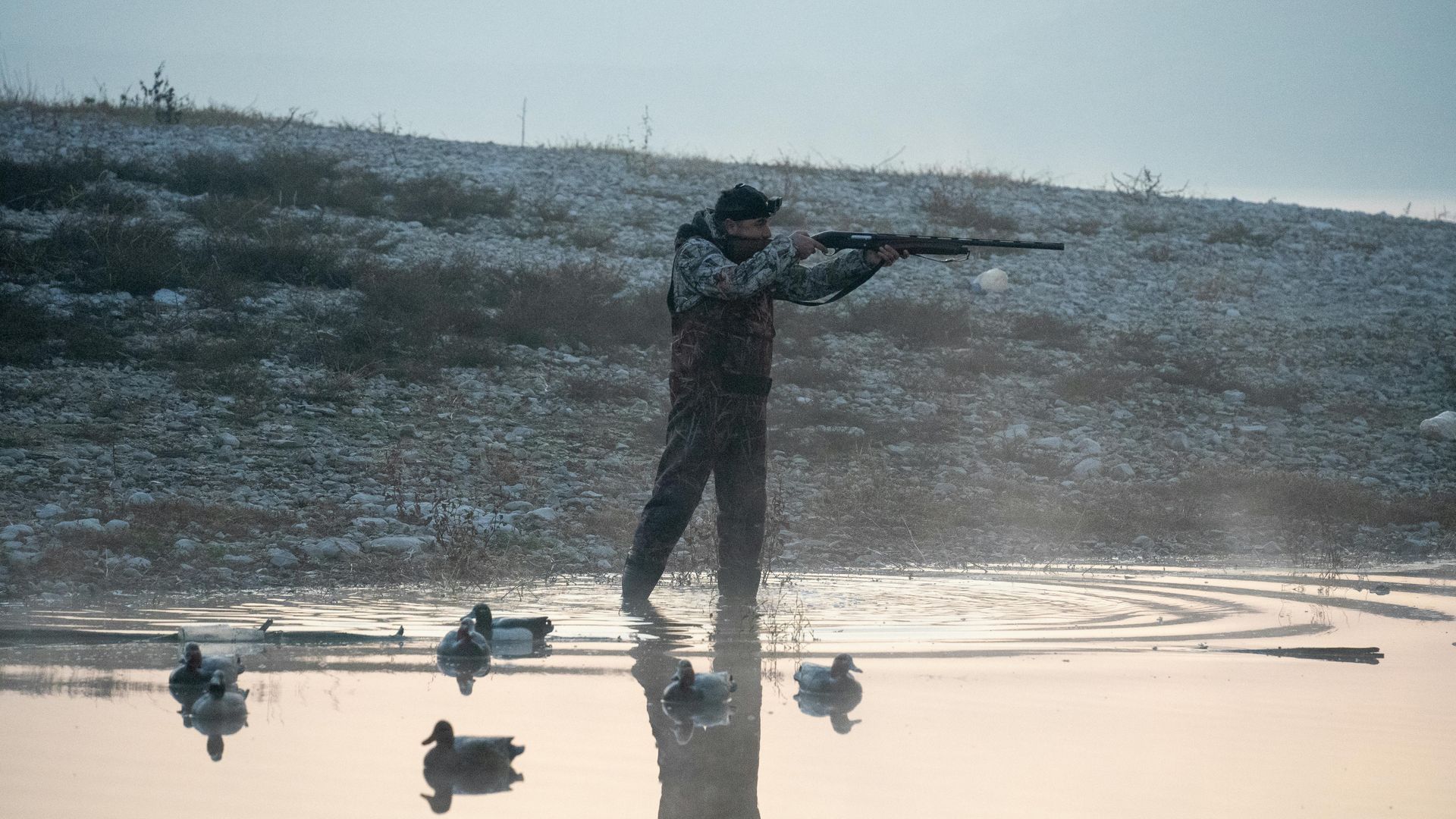
Arkansas is known for its flooded green timber hunting—an experience that draws hunters from across the country. Hunting in these flooded bottomland hardwoods offers a unique style of shooting, where mallards descend vertically through gaps in the trees.
Unlike open-field hunting, timber hunts are often up close and personal, with ducks dropping into tight holes within a dense forest. The calls echo through the woods, and when it works, flocks of greenheads backpedal just feet above the water.
This tradition, found primarily in areas like Bayou Meto and private lands near the Cache and White Rivers, is one of the most iconic aspects of Arkansas duck hunting.
5. A Culture Built Around Ducks
Few places have embraced waterfowl hunting the way Arkansas has. From Stuttgart, known as the duck hunting capital of the world, to small towns across the Delta, waterfowling is part of the local identity.
The state hosts the World’s Championship Duck Calling Contest each year, and generations of hunters have grown up participating in the sport. Businesses, communities, and even local school calendars revolve around duck season. Hunting camps, boat races at dawn, and seasonal traditions are all part of what makes the Arkansas duck culture so unique.
6. Accessible Public and Private Land
Arkansas offers hunting opportunities for everyone, from do-it-yourself hunters on public land to clients of high-end guide services.
The Arkansas Game and Fish Commission manages more than 60 wildlife management areas, many of which are open to waterfowl hunting. These include world-renowned areas like Bayou Meto, Dave Donaldson Black River, and Henry Gray Hurricane Lake.
For those seeking more consistent access and less pressure, private land hunts are available through outfitters and clubs. These hunts typically include pre-scouted locations, guided services, and managed properties that produce steady results.
7. Strong Season from Start to Finish
While some states experience early bursts of duck activity followed by a lull, Arkansas offers productive hunting from November through January. Its position in the flyway and habitat conditions allow it to attract and hold birds throughout the season.
Early hunts may focus on teal and mixed species, while December and January provide peak mallard action. As northern states freeze up, new waves of birds arrive, keeping hunting fresh late into the season.
8. Leading the Nation in Harvests
Arkansas consistently ranks among the top states in annual duck harvest. According to the U.S. Fish and Wildlife Service, Arkansas hunters harvest more than one million ducks each year, the majority of which are mallards.
The combination of public access, private land opportunity, experienced guides, and concentrated bird numbers leads to high success rates. Hunters here often enjoy more consistent results than those in other regions of the country.
9. Options for Every Type of Hunter
Whether you are a first-time waterfowler or a veteran chasing your next trophy bird, Arkansas has something to offer. Family-friendly hunts, youth-focused trips, corporate packages, and solo adventures are all available.
At Bayou Bottoms Guide Service, we offer guided hunts on private land that can be tailored to meet your goals. From field hunts for snow geese to timber mallard shoots, we help hunters of all levels get the most out of their experience.
10. Easy Travel and Planning for Non-Residents
Many of our guests travel from Texas, Missouri, Louisiana, Mississippi, and beyond. With its central location and accessible transportation, Arkansas is one of the easiest duck hunting destinations to reach.
Major highways, regional airports, and waterfowl-friendly communities make planning a hunting trip simple. Towns like Jonesboro, Stuttgart, and Searcy offer plenty of lodging and amenities for visiting hunters.
FAQs About Duck Hunting in Arkansas
Why are there so many ducks in Arkansas?
Arkansas offers ideal wintering habitat, large tracts of flooded farmland, and sits in the heart of the Mississippi Flyway, making it a natural stopover for millions of ducks each year.
What species are most common in Arkansas?
Mallards are the most abundant, followed by gadwalls, teal, wigeon, pintails, and wood ducks. Snow geese and specklebelly geese are also common in certain regions.
Is Arkansas a good place for beginner duck hunters?
Yes, especially when hunting with an experienced guide. Guided hunts eliminate much of the guesswork and provide a safer, more enjoyable introduction to waterfowling.
What licenses do I need to hunt ducks in Arkansas?
You’ll need a hunting license, Arkansas waterfowl stamp, federal duck stamp, and HIP registration. Out-of-state hunters must purchase a non-resident license.
Experience Arkansas Duck Hunting with Bayou Bottoms
If you're planning your next duck hunting trip and want to see why Arkansas has earned its reputation as the premier destination in the country, we invite you to join us at Bayou Bottoms Guide Service.
We offer guided hunts on private land in Northeast Arkansas with experienced guides, pre-scouted locations, and access to the region’s most productive habitats. Whether you're chasing mallards in flooded timber or geese in cut rice fields, our goal is to make your hunt successful and memorable.