
Flooded Timber vs. Field Hunting: What’s Better for Ducks?

March 30, 2026

Share this article

The Differences between Flooded Timber and Field Hunting for Ducks in Arkansas

A person with a backpack stands on a mountain ridge at sunset, aiming a rifle toward the horizon.

In Arkansas, duck hunters are fortunate to have access to two of the most productive waterfowl hunting environments in North America: flooded timber and agricultural fields. Each style offers a unique experience, and both can deliver excellent results. But which one is better?

The answer depends on your hunting style, the conditions, the time of season, and your personal goals. In this guide, we’ll break down the pros and cons of each method to help you choose the best option for your next hunt.

What Is Flooded Timber Hunting?

Flooded timber refers to lowland hardwood forests intentionally flooded during duck season. These areas typically include species like oak, cypress, or tupelo gum, where shallow standing water covers the forest floor.

Ducks, especially mallards, are drawn to flooded timber because of its security, food sources, and protection from wind. Hunters hide among the trees, calling ducks to descend through the canopy into small open pockets.

Benefits of Flooded Timber Hunting:

  • Up-close shooting opportunities
  • Natural concealment from trees and shadows
  • Highly engaging calling and decoy action
  • Ideal habitat for mallards, wood ducks, and gadwall
  • Unique, immersive hunting experience

Challenges:

  • Requires wading and physical effort
  • Access can be limited to experienced guides or draw hunts
  • Not always ideal during extreme freeze-ups or heavy wind

What Is Field Hunting?

Field hunting typically takes place in flooded rice, bean, or corn fields. After harvest, these agricultural fields are flooded to attract dabbling ducks and geese searching for leftover grain.

Hunters use layout blinds or permanent pit blinds placed along flight lines or in feeding zones. Field setups may also include spinning-wing decoys and large decoy spreads to mimic natural bird behavior.

Benefits of Field Hunting:

  • Great for mixed bags of ducks and geese
  • Easier access, often with ATVs or side-by-sides
  • Comfortable setups with chairs, heaters, and large blinds
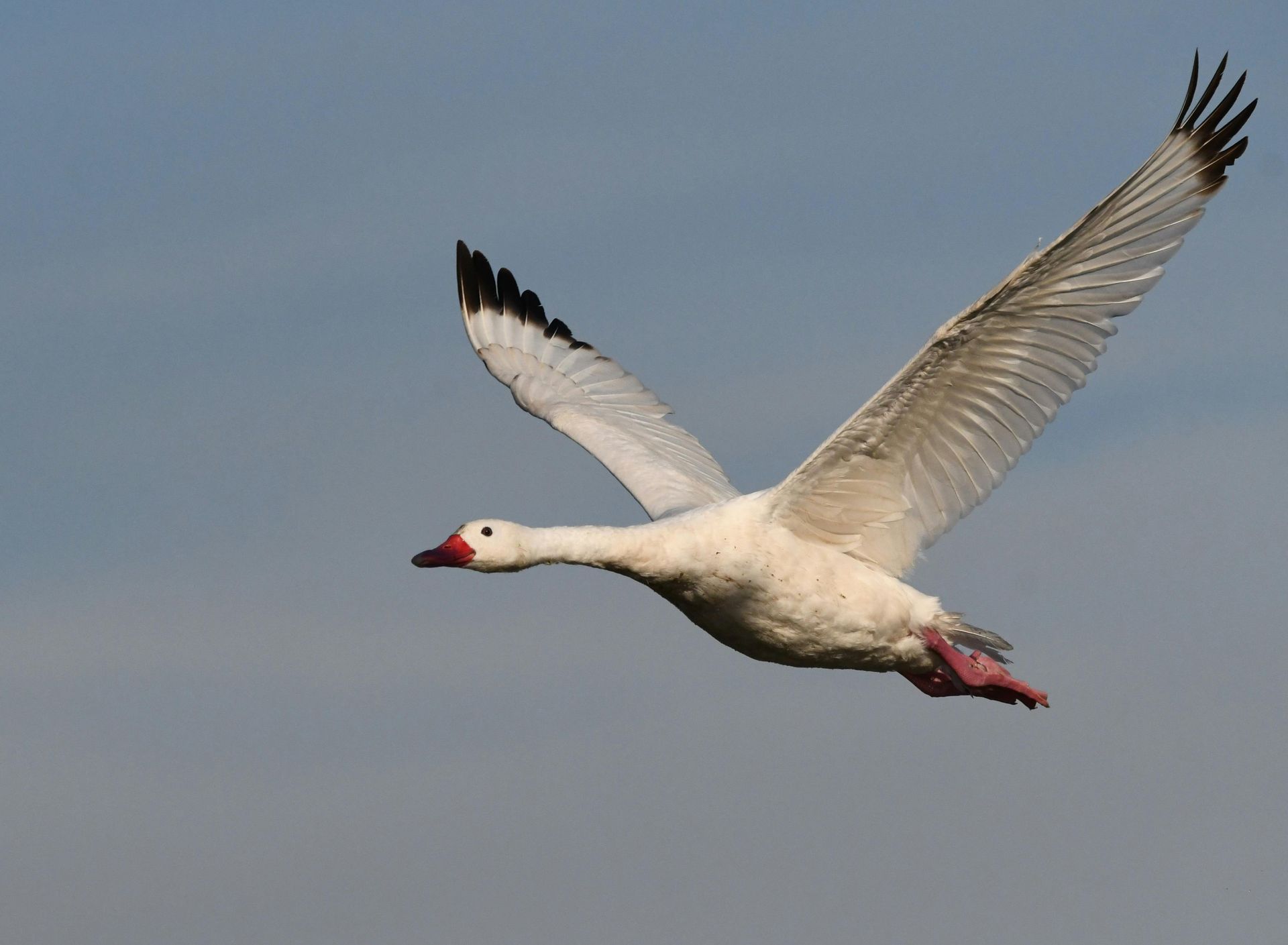
  • Productive during cold fronts and snow goose migrations

Challenges:

  • Birds may become decoy shy later in the season
  • Concealment can be more difficult in open terrain
  • Less interactive than timber calling hunts

Comparing the Experience

Feature Flooded Timber Field Hunting
Target Species Mallards, wood ducks Mallards, pintails, teal, geese
Shot Distance Close-range (15-30 yards) Mid to long-range (25-40 yards)
Calling Interaction High, birds respond to calls Moderate, calls supplement decoys
Physical Demands Moderate to high Low to moderate
Blind Setup Natural cover or small hide Pit blinds or layout blinds
Best Conditions Calm, clear, early mornings Windy, cloudy, post-front

When to Hunt Timber vs. Fields

Timber Is Best When:

  • Targeting mallards in flooded oak flats
  • Hunting early to mid-season before freeze-up
  • You want a traditional, immersive Arkansas experience
  • You enjoy calling and working birds into tight spots

Fields Are Best When:

  • Hunting during major migration days or after a snowstorm
  • Pursuing geese along with ducks
  • You need an easier access hunt with more room for gear
  • Later in the season when timber may freeze

Bayou Bottoms: Offering Both Experiences

At Bayou Bottoms Guide Service, we offer both timber and field hunts depending on conditions, bird movement, and client preferences. Our experienced guides scout daily and place hunters where success is most likely.

Some days, that means tucked into a hidden hole in the flooded timber, listening to mallards circle above the trees. Other days, it’s a comfortable blind in a cut rice field as flocks of pintails and snow geese drop into the spread.

We also offer combo hunts when conditions allow, giving clients the opportunity to experience both environments in a single trip.

Frequently Asked Questions

Do ducks prefer timber or fields?

It depends on the time of season, weather, and species. Mallards often prefer timber for roosting and feeding, while teal and pintails feed heavily in fields.


Which is better for beginners?

Field hunting is typically easier for beginners due to easier access, more room, and less physical exertion. Timber hunts can be more demanding but also more rewarding.


Can I hunt both timber and fields in one day?

Yes. Bayou Bottoms offers combo hunts depending on bird movement and weather. Morning hunts in timber, followed by afternoon field hunts, are common.


Which is better during cold weather?

Fields tend to be more productive during freeze-ups, while timber excels during stable weather with open water.

Choose the Right Style for Your Next Arkansas Hunt

Both flooded timber and field hunting offer world-class duck hunting in Arkansas. Choosing the right style depends on your goals, experience, and the conditions during your trip. Many hunters return each year to experience both.

At Bayou Bottoms Guide Service, we tailor every hunt to give our clients the best possible chance for success. Whether you're drawn to the magic of mallards dropping through the trees or the action of geese bombing a rice field, we have the access and expertise to deliver.

Visit: https://bayoubottoms.com
Call: (618) 889-0919
Follow:
https://www.facebook.com/Arkansaswaterfowl

Recent Posts

Two people stand beside a truck bed filled with hunted waterfowl on a muddy landscape under a bright, clear sky.
March 13, 2026
Take a look inside a day at Bayou Bottoms Guide Service. Learn what to expect before, during, and after your guided duck hunt for a full Arkansas hunting experience.
Hunter in camouflage aiming a shotgun outdoors under an overcast sky. Orange arm band visible.
February 26, 2026
Looking for the best duck hunting shotgun in 2025? Compare top models, features, performance, and expert picks in this complete waterfowl shotgun buyer’s guide.
Ducks swimming in water, six brown and one white duck, serene blue water.
February 11, 2026
Learn how cold fronts and seasonal weather shifts impact duck migration in Arkansas. Improve your hunt by understanding movement patterns.
Dead ducks hanging from the legs, brown and green feathers, yellow beaks, water and branches visible.
January 27, 2026
Discover why Arkansas is considered the duck hunting capital of America. Learn what makes the Natural State unmatched for waterfowl success.
A large body of water with hundreds of birds resting on it, with trees in the background.
January 9, 2026
Deciding between public or private land for waterfowl hunting in Arkansas? Compare access, pressure, success rates & experience in this expert guide.
Man in camouflage carrying a bird, walking in a field.
December 26, 2025
Introduce kids to duck hunting in Arkansas with Bayou Bottoms Guide Service. Learn safety tips, gear, regulations, and how to book a fun, family-friendly hunt.
Group of hunters in camouflage holding ducks in a hunting blind.
December 11, 2025
Looking for the best hunting club in Arkansas? Discover why Bayou Bottoms stands out with private access, expert guides, and real waterfowl results.
Three people in camouflage holding ducks, standing in snow.
December 4, 2025
Heading out for a guided duck hunt in Arkansas? Use this complete gear checklist from Bayou Bottoms to pack smart and hunt successfully.
Sunset over a calm lake. Silhouette of trees and foliage in foreground.  Reflections on water.
November 25, 2025
Discover why Northeast Arkansas is one of the best duck hunting regions in America. Learn what makes this area a true waterfowler’s paradise.
Goose swimming in rippled water, surrounded by dark shadows.
November 20, 2025
Planning a snow goose conservation hunt in Arkansas? Learn how to prepare, what to pack, and how to maximize your success with Bayou Bottoms Guide Service.
Show More