How to Hunt Late-Season Ducks in Arkansas

As the season nears its end, many hunters hang up their gear and call it a year. But for those willing to brave the cold, late-season duck hunting in Arkansas can offer some of the best action of the entire year. With fewer hunters in the field and fresh birds moving in from the north, January can deliver memorable hunts if you know how to adjust your tactics.
In this guide, we break down the key strategies, gear considerations, and locations to focus on during the final weeks of duck season in Arkansas.
What Makes Late Season Unique?
By January, most ducks have been hunted for months. They are more cautious, decoy shy, and less responsive to aggressive calling. Weather patterns also play a major role. Ice, snow, and cold fronts continue to push birds south, and feeding patterns change as food becomes scarce.
At the same time, competition drops off. Many hunters wrap up their season in December, meaning less pressure on birds and more opportunities for those still willing to get out.
1. Focus on Food and Open Water
As temperatures drop, ducks prioritize food and shelter. Late in the season, they seek out areas with abundant carbohydrates to maintain body heat. This makes flooded rice fields, moist-soil units, and sheet water over agricultural land key locations.
Look for areas where:
- Water is still open and not frozen
- Corn, rice, or natural vegetation remains accessible
- Shallow water offers feeding access
At Bayou Bottoms, we rotate our fields and manage water levels to ensure food and habitat remain optimal for late-season hunts.
2. Be More Subtle with Decoys and Calling
In January, ducks have seen countless decoy spreads. Instead of large spreads with aggressive motion, late-season success often comes with subtlety.
Decoy Strategies:
- Downsize your spread (6 to 12 decoys in small openings)
- Use confidence decoys (coots, sleepers, or resting mallards)
- Avoid spinning wing decoys unless birds respond positively
Calling Tips:
- Start with soft feeding chuckles or single quacks
- Only call when birds are showing interest
- Silence can be more effective than overcalling
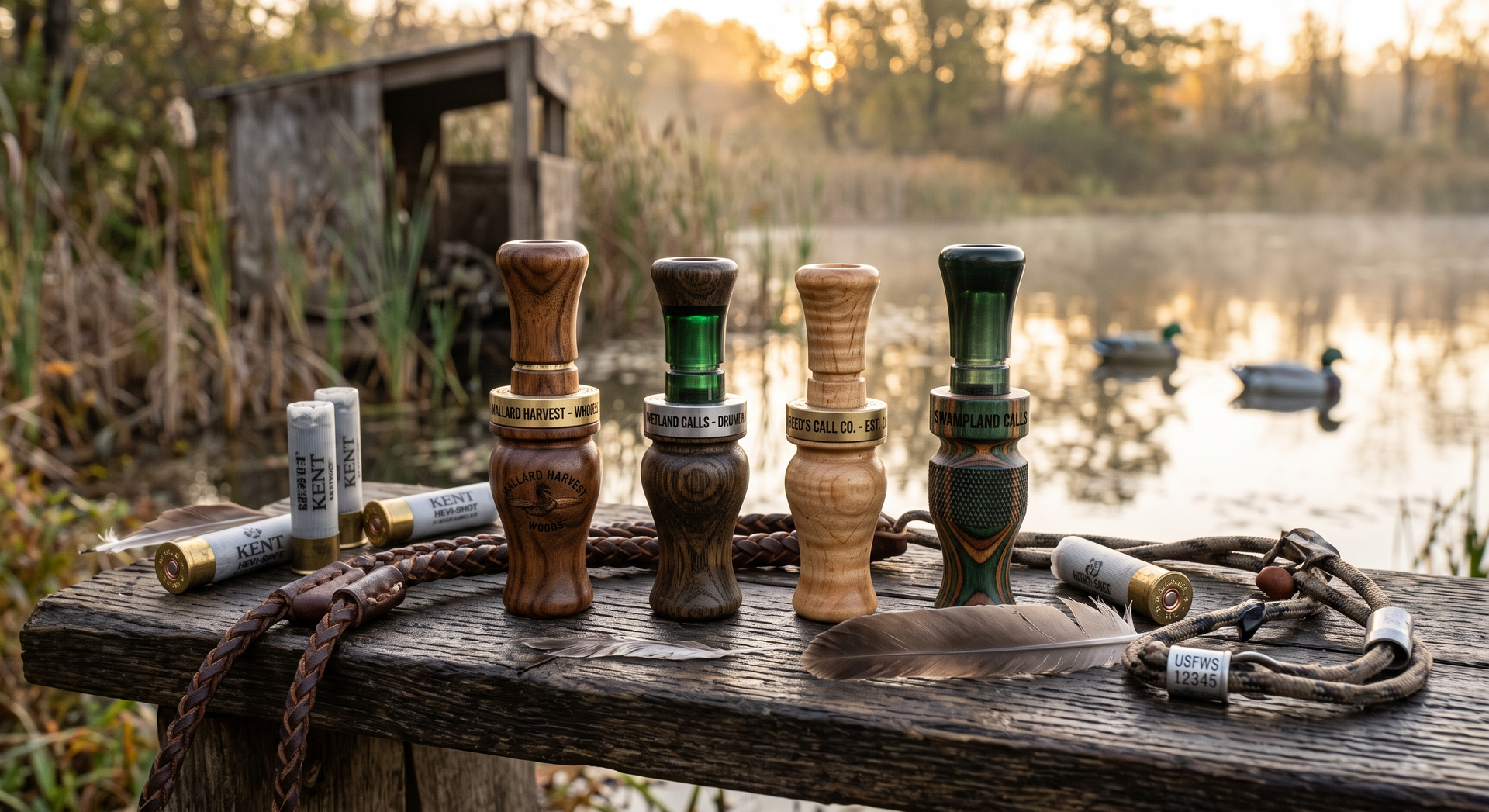
Experienced guides at Bayou Bottoms often rely on realism and restraint, especially when working pressured mallards.
3. Adjust Your Hide and Concealment
Late-season ducks are wary. They’ve learned to spot blinds, unnatural shadows, and movement. A clean, well-hidden setup becomes more important than ever.
Tips for better concealment:
- Brush in blinds with fresh natural cover
- Avoid shiny gear or exposed faces
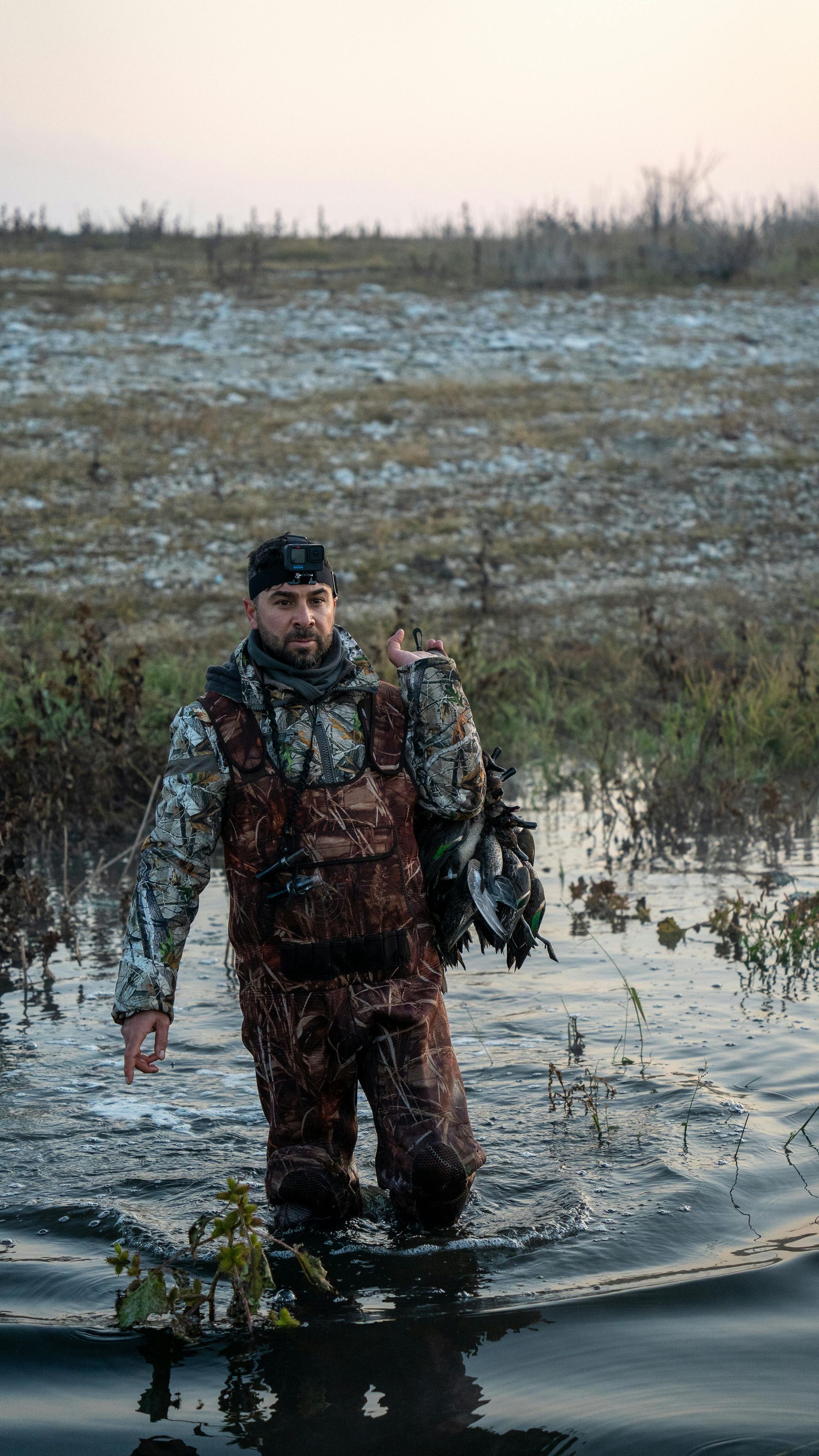
- Wear camo that matches the habitat
- Limit movement in the blind
If you’re in a pit blind in a rice field or a hide along timber edges, blending in with surroundings is crucial.
4. Hunt Weather Fronts and Freeze Lines
January hunting often depends on the weather. Cold fronts from the north push fresh ducks into Arkansas. As northern waters freeze, birds must continue south to find open water.
What to watch for:
- 10- to 20-degree temperature drops in the Midwest
- Snow cover in states like Missouri and Illinois
- North or northwest winds following a front
Birds typically migrate just ahead or immediately after major weather events. Plan your hunts around these movements when possible.
5. Be Patient and Flexible
Late-season ducks may not move early in the morning. On cold, calm days, birds often feed or move later in the morning or mid-afternoon. Don’t abandon a spot too soon.
Tips:
- Stay later in the morning, especially on bluebird days
- Bring extra layers to stay warm
- Be prepared to move or adapt to changing bird patterns
At Bayou Bottoms, we scout daily to track movement and feeding times. Our flexible setup allows us to shift hunters based on real-time conditions.
6. Bring the Right Gear for the Cold
Late-season conditions can be unforgiving. Proper gear keeps you comfortable and focused.
Must-have items:
- Insulated waders
- Layered waterproof clothing
- Hand and foot warmers
- Waterproof blind bag
- Thermos with warm drink
Staying warm and dry makes it easier to wait out birds and remain still when it counts.
Frequently Asked Questions
Do ducks still migrate in January?
Yes. Northern ducks continue to move south as lakes and rivers freeze. January often brings the last big pushes of mallards into Arkansas.
Is calling still effective in the late season?
It can be, but subtlety is key. Avoid overcalling. Use soft clucks, feeding chuckles, or no calling at all if birds are wary.
Can I still limit out in January?
Absolutely. Late-season hunts can be highly productive, especially after fresh fronts. Birds may be more concentrated and less pressured.
What areas in Arkansas are best in late season?
The eastern Delta, particularly rice fields near Fisher, Black River WMA, and other flooded agricultural zones, continue to hold birds through the end of the season.
Make the Most of the Final Weeks
Late-season duck hunting in Arkansas rewards those who are prepared, observant, and willing to adapt. With the right tactics and gear, January can offer some of the best hunting of the year.
At Bayou Bottoms Guide Service, we embrace the cold and hunt smarter as the season winds down. From carefully managed fields to experienced guides who understand bird behavior, we help our hunters finish strong.
Whether you’re chasing your final mallard limit or just looking to enjoy a quiet morning in the timber, there’s still time to make your season memorable.
Visit: https://bayoubottoms.com
Call: (618) 889-0919
Follow: https://www.facebook.com/Arkansaswaterfowl