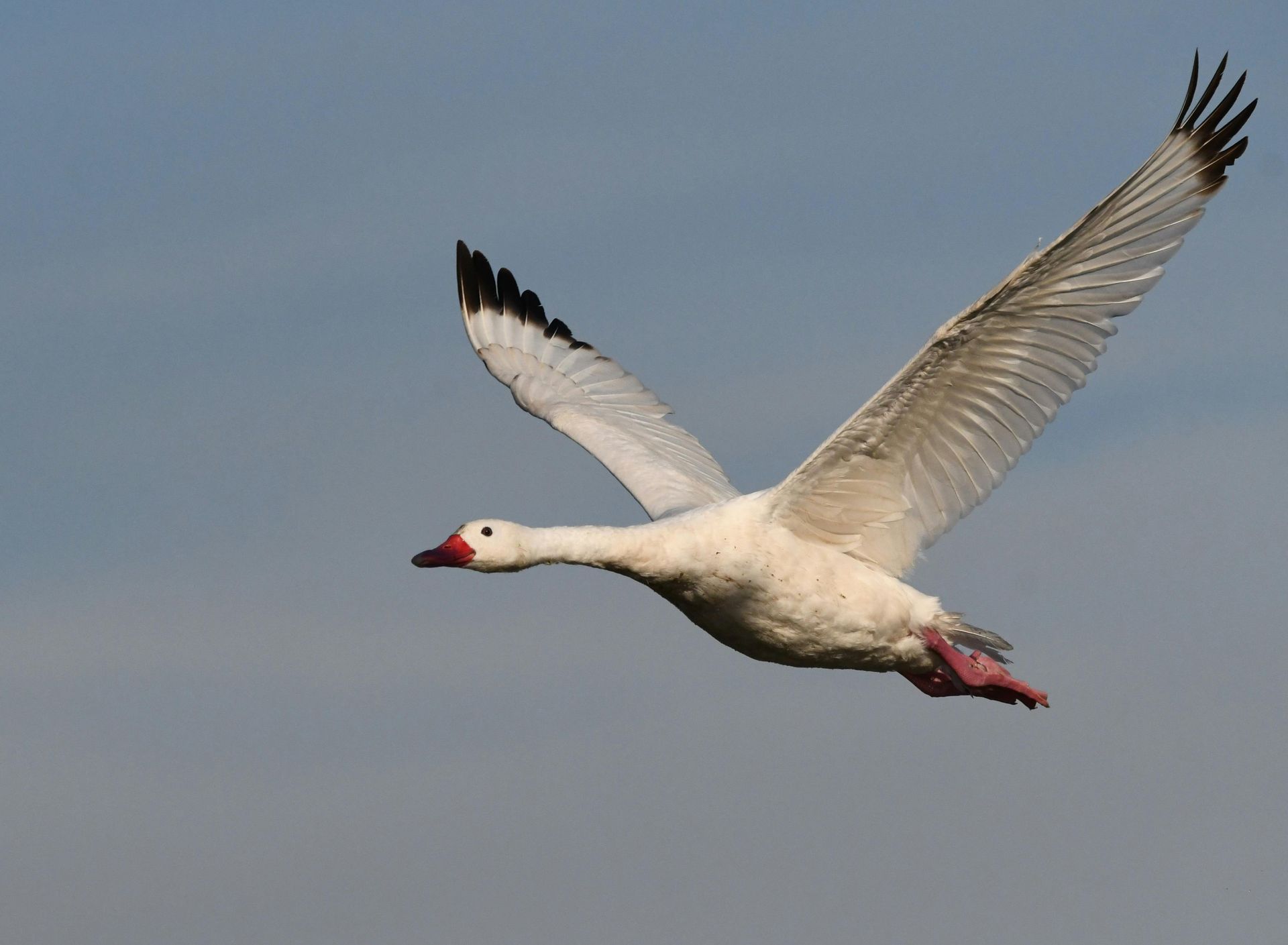
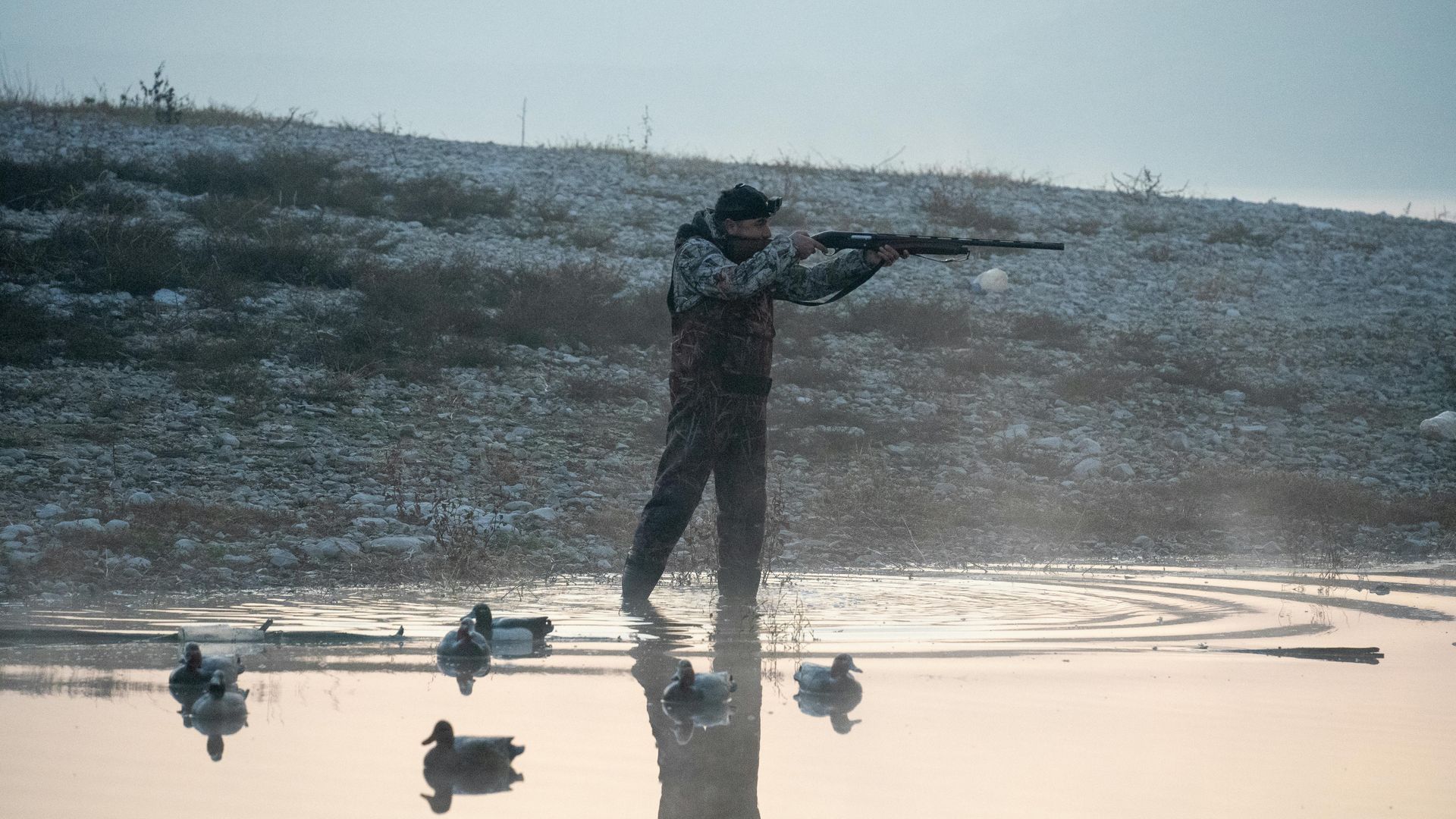
Waterfowl hunters across Arkansas know the thrill of waking up after a cold front and hearing ducks overhead before sunrise. These weather shifts are more than just changes in temperature; they are key triggers in the migration patterns of ducks moving through the Mississippi Flyway. Understanding how weather fronts affect duck migration can dramatically improve your chances of success during the season.
In this article, we explain the science and behavior behind migration, the role weather plays in waterfowl movement, and how you can use that information to plan more productive hunts in Arkansas.
Why Ducks Migrate
Ducks migrate south each fall to escape freezing temperatures, find open water, and access reliable food sources. As northern regions begin to freeze, ducks follow traditional flyways to reach warmer, food-rich environments. Arkansas, sitting directly in the Mississippi Flyway, is a prime stopover and wintering ground for many species.
The Role of Weather Fronts in Migration
Cold Fronts
Cold fronts are one of the most powerful migration triggers. As Arctic air pushes south, temperatures drop quickly, shallow water begins to freeze, and food becomes less accessible in northern regions. This pressure forces ducks to move southward in search of open water and better feeding conditions.
In Arkansas, a strong cold front from the Midwest or Great Plains often brings a fresh wave of mallards, gadwalls, teal, and other ducks. The bigger the temperature drop, the more likely a significant movement will occur.
Wind Direction
Wind is another important factor. North or northwest winds behind a cold front can carry birds long distances. Tailwinds help ducks conserve energy and speed up their migration. During strong north winds, Arkansas hunters often notice new groups of ducks appearing overnight.
Barometric Pressure
Birds are sensitive to changes in barometric pressure. A falling barometer typically signals an approaching weather system. Ducks often feed heavily before a front hits, then migrate as the system passes. Rising pressure after a front usually brings clear skies, ideal flying conditions, and fresh arrivals.
Seasonal Migration Patterns in Arkansas
Early Season (November)
During early season, many of the ducks in Arkansas are local or short-distance migrants. Cold fronts in late October and early November start to push the first waves of teal, gadwalls, and wood ducks into the state. Hunting is often best after the first hard frost in northern states.
Mid-Season (December)
Mid-season fronts bring the most dramatic migrations. December cold snaps in the northern Midwest cause large numbers of mallards and divers to move south. These fronts often deliver the biggest influx of birds, especially when they follow periods of mild weather.
Late Season (January)
In January, hunting can slow during extended warm spells, but a sharp cold front can reignite activity. Ducks that had settled in central Arkansas may move again, and new birds from farther north may continue migrating if their previous stopovers freeze up.
How Hunters Can Use Weather Fronts to Their Advantage
Monitor Forecasts Closely
Pay close attention to upcoming weather changes in the states north of Arkansas, such as Missouri, Iowa, and Illinois. A sudden drop in temperature or snowstorm in these areas often pushes birds south within 24 to 48 hours.
Use apps or websites that track wind direction, barometric pressure, and radar patterns. Look for strong north winds, significant pressure changes, and clear post-front conditions.
Plan Hunts Around Weather
If possible, schedule your hunts the day after a major front arrives. These "bluebird days" typically feature high pressure, light winds, and sunshine—ideal conditions for migrating ducks.
On the day before a front, ducks often feed aggressively. Afternoon field hunts can be especially productive as birds prepare for migration.
Adjust Locations and Strategies
After a front, ducks may shift feeding or roosting locations. Scouting becomes important to identify where new flocks are settling. Birds may be more responsive to calling and decoys during these periods, especially if they have not been heavily pressured yet.
At Bayou Bottoms Guide Service, we scout daily to stay ahead of these shifts. By knowing where birds are moving after each front, we can put hunters in the best possible position for success.
Frequently Asked Questions
Do ducks migrate every time there's a cold front?
Not always. It depends on how intense the front is, the availability of open water, and food resources where the birds currently are. Minor fronts may not trigger significant movement.
What is the best weather for duck hunting?
The best hunting often follows a major cold front, especially during clear, calm mornings with high pressure and cold temperatures. These conditions typically bring fresh birds and increased activity.
Can warm weather affect duck migration?
Yes. Extended warm periods can stall migration, keeping ducks in northern areas longer. Hunting may become more difficult until the next front triggers movement.
Is wind direction really that important?
Yes. North or northwest winds help birds migrate south more efficiently. Monitoring wind direction is a valuable tool in predicting bird movements.
Improve Your Success With Weather-Informed Hunts
Understanding how weather affects duck migration can make the difference between a slow morning and a full strap. By watching cold fronts, wind direction, and barometric shifts, hunters in Arkansas can anticipate movement patterns and hunt smarter.
At Bayou Bottoms Guide Service, we build our hunting strategy around these weather patterns. With decades of local experience, we know how to adapt to changing conditions and help our clients get on birds when it matters most.
Plan your hunt around the next front, and let our guides do the rest.
Visit: https://bayoubottoms.com
Call: (618) 889-0919
Follow: https://www.facebook.com/Arkansaswaterfowl