Each spring, Arkansas hosts one of the most intense and action-packed events in waterfowl hunting: the snow goose conservation order season. Unlike traditional duck and goose hunts, this unique season isn’t just about sport—it’s a vital part of protecting North America's wetlands and ensuring the long-term sustainability of waterfowl habitats.
So, what exactly makes snow goose conservation hunts so important? And why do so many hunters head to the Arkansas Delta each year to take part? In this post, we explore the ecological reasons behind these hunts, how they work, and what hunters can expect.
The Overpopulation Problem
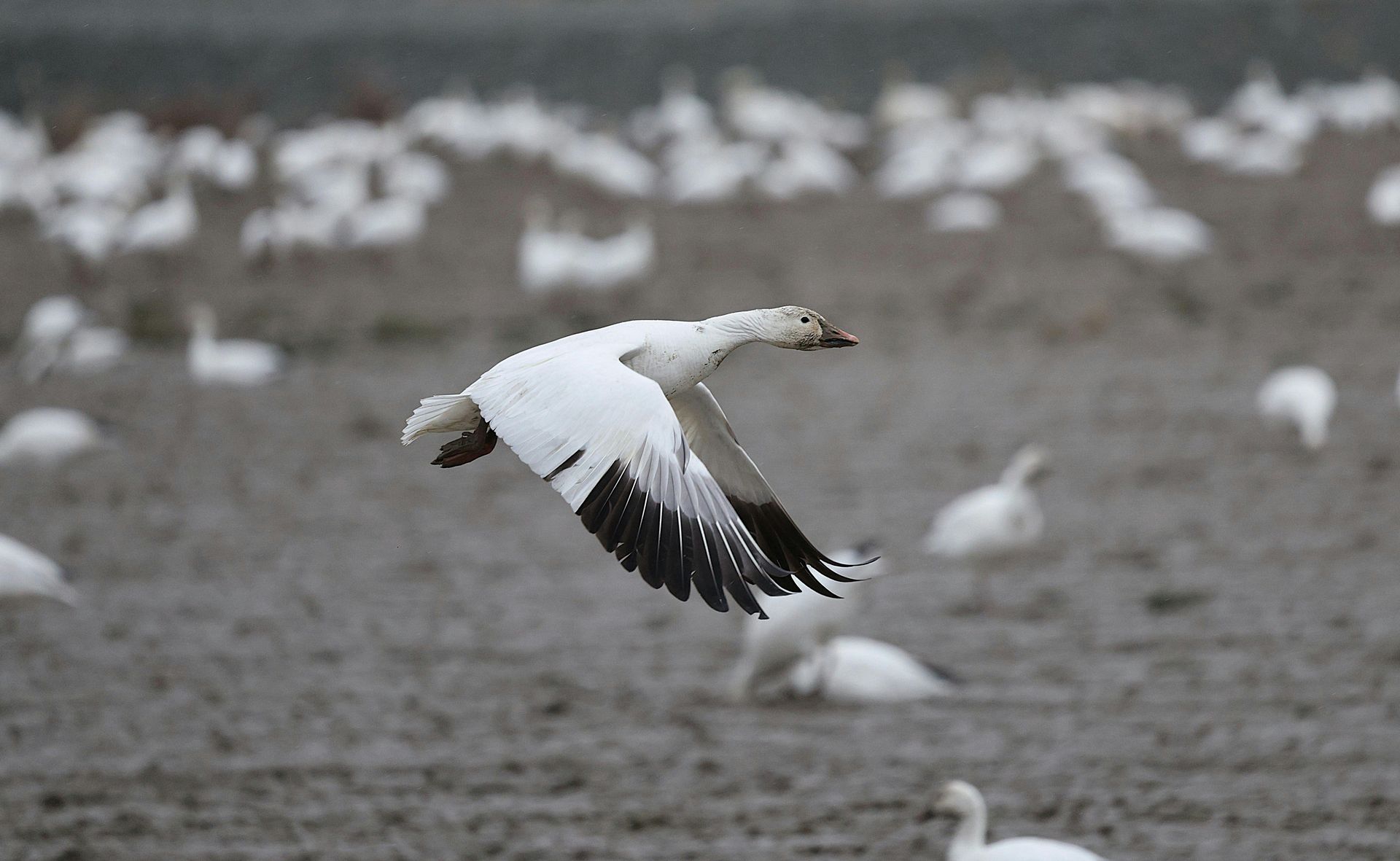
Snow geese populations have exploded over the past few decades. Thanks to expanded wintering habitat in agricultural fields and improved survival rates, mid-continent lesser snow geese now number in the millions.
This boom has led to significant damage to fragile Arctic nesting grounds in Canada and Alaska. Snow geese feed by grubbing, which involves ripping plants out by the roots. Over time, this strips away vegetation and leaves soil exposed, making it difficult for the tundra to regenerate.
According to U.S. Fish and Wildlife Service reports, if snow goose populations continue unchecked, they could permanently destroy large portions of their breeding grounds, impacting other bird species and the broader ecosystem.
The Conservation Order Solution
To help manage these ballooning populations, the federal government implemented the
Light Goose Conservation Order, a special season that takes place outside of traditional waterfowl regulations. It’s one of the few times where liberalized hunting rules are not only allowed but encouraged.
Key Conservation Hunt Regulations:
- No daily bag or possession limits
- Use of electronic calls allowed
- Unplugged shotguns permitted
- Extended shooting hours
- Typically runs February through early March
This season offers a rare chance for hunters to actively participate in conservation while enjoying some of the most high-volume shooting opportunities available.
Why Arkansas Is a Conservation Season Hotspot
Arkansas lies directly in the path of the spring snow goose migration. As birds move back north from the Gulf Coast, they funnel through the state’s rice fields and wetlands. Eastern Arkansas in particular becomes a staging ground where massive flocks gather to feed and rest.
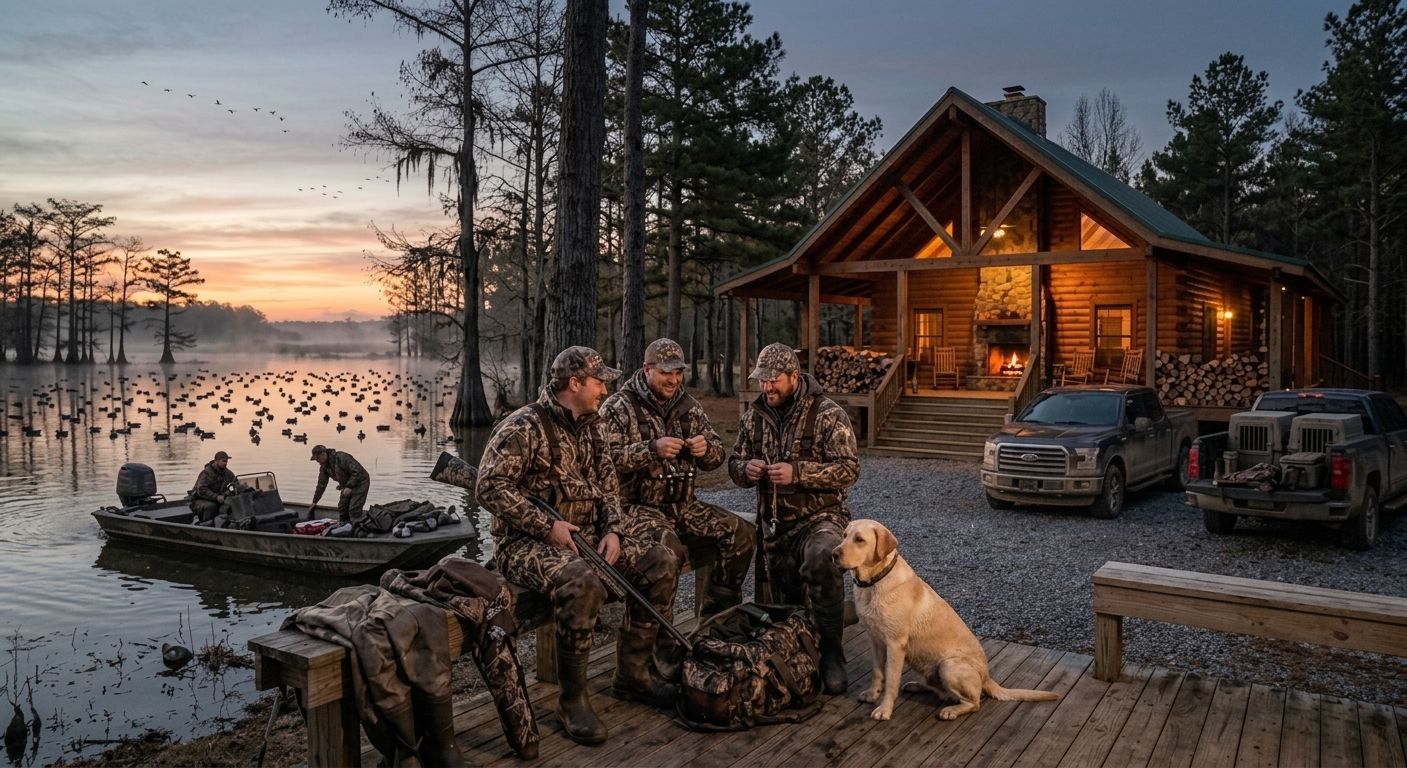
At Bayou Bottoms Guide Service, we capitalize on this migration window to provide clients with exceptional access to snow goose hunts that are both meaningful and exhilarating.
Why Arkansas excels during conservation season:
- Prime staging areas with rich food sources
- Flat agricultural terrain for easy access and large decoy spreads
- Mild winters that support early season migration
The Hunting Experience
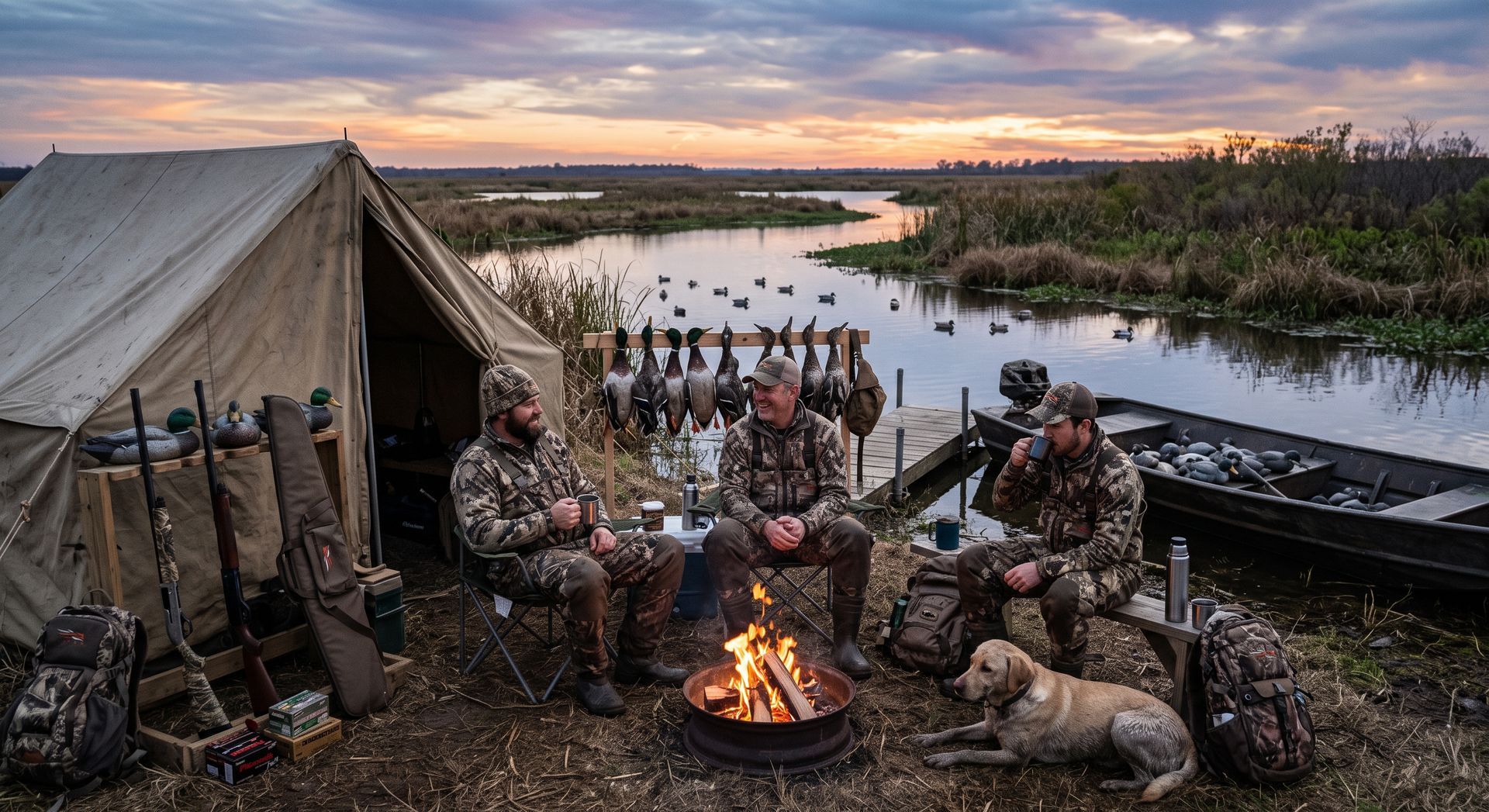
Snow goose conservation hunts differ significantly from typical duck hunts. Instead of small groups over a timber hole, you’re often hunting over massive decoy spreads designed to mimic real feeding flocks.
What to expect:
- Early morning setups in rice fields or pastures
- Thousands of full-body, silhouette, and windsock decoys
- Long shooting windows (legal sunrise to sunset)
- Large groups of birds approaching in high, noisy flocks
- Fast-paced shooting when flocks commit
These hunts can be physically demanding and gear-intensive, but the payoff is unmatched shooting action when conditions align.
Ecological Impact of the Hunt
While hunters enjoy the adrenaline and chaos of snow goose hunting, the broader goal remains conservation. Reducing flock numbers helps:
- Relieve pressure on nesting grounds
- Improve breeding success for other Arctic species
- Maintain balance in migratory habitats across North America
Every bird taken contributes to slowing habitat degradation in the tundra. Conservation hunts are one of the few ways hunters actively contribute to environmental protection through regulated harvest.
Why Guided Snow Goose Hunts Make a Difference
Because snow geese are extremely wary and unpredictable, success often hinges on expert setup, large decoy spreads, and location. That’s why many hunters choose professional guide services.
At Bayou Bottoms, our snow goose hunts include:
- Scouted field locations based on bird movement
- Massive decoy spreads and experienced calling
- Comfortable blinds or layout setups
- Safety and shooting briefings for group hunts
- Flexible dates during peak migration
We take care of the logistics so hunters can focus on the experience and impact.
Frequently Asked Questions
Are there really no limits during conservation season?
Correct. There are no daily bag or possession limits for light geese during the conservation order.
Can I use an electronic call and an unplugged shotgun?
Yes. Both are legal and encouraged during this special season to improve success.
When is the best time to hunt snow geese in Arkansas?
Peak migration typically runs from mid-February through early March, depending on weather and snow lines to the north.
Is this a good hunt for beginners?
Yes, especially in a guided setting. It can be fast-paced and exciting, though hunters should be ready for early mornings and field conditions.
Do snow geese taste good?
Taste is subjective, but many hunters enjoy snow goose meat when prepared properly. Sausage, jerky, and stews are popular choices.
Make Conservation Part of Your Next Hunt
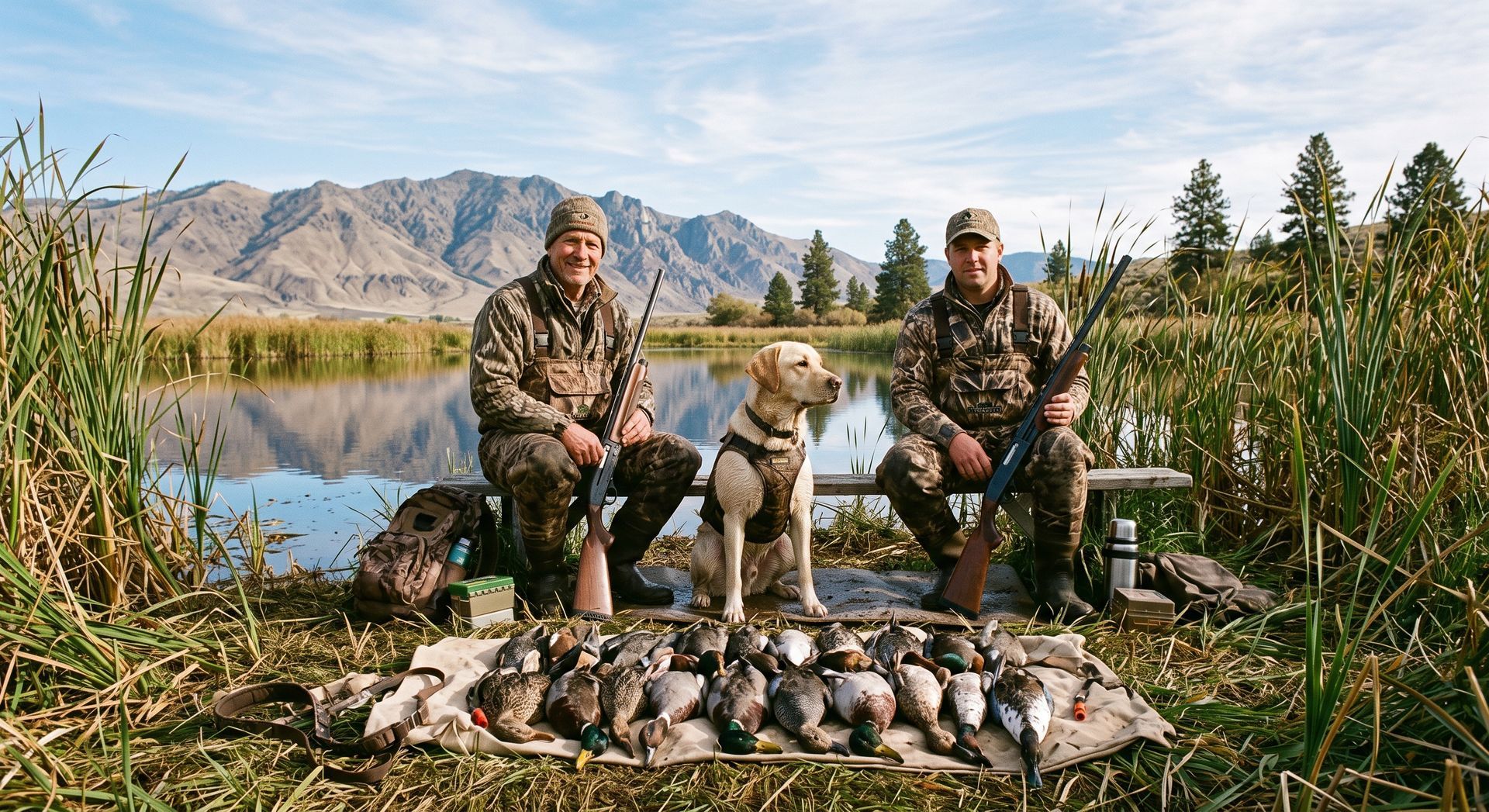
Snow goose conservation hunts are more than just a thrilling shooting opportunity—they’re a critical part of protecting North America’s fragile ecosystems. Every harvested bird plays a role in restoring balance to the Arctic tundra and preserving waterfowl populations for future generations.
At Bayou Bottoms Guide Service, we offer fully guided snow goose hunts during the conservation season to help you make the most of this special time. Whether you're a seasoned hunter or new to the field, we provide the access, gear, and guidance needed for a rewarding experience.
Visit:
https://www.bayoubottoms.com/
Call: (618) 889-0919
Follow: https://www.facebook.com/Arkansaswaterfowl