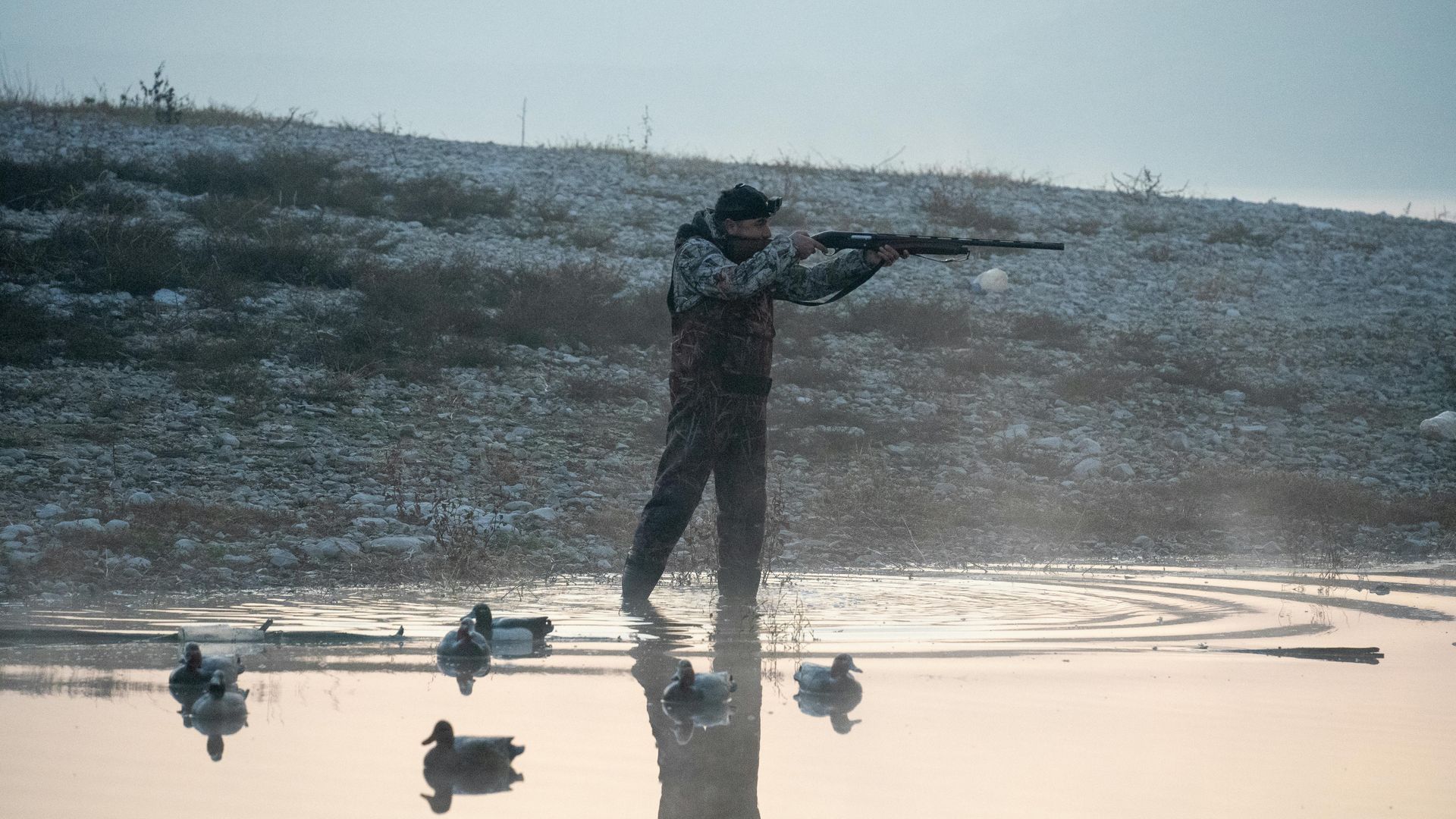
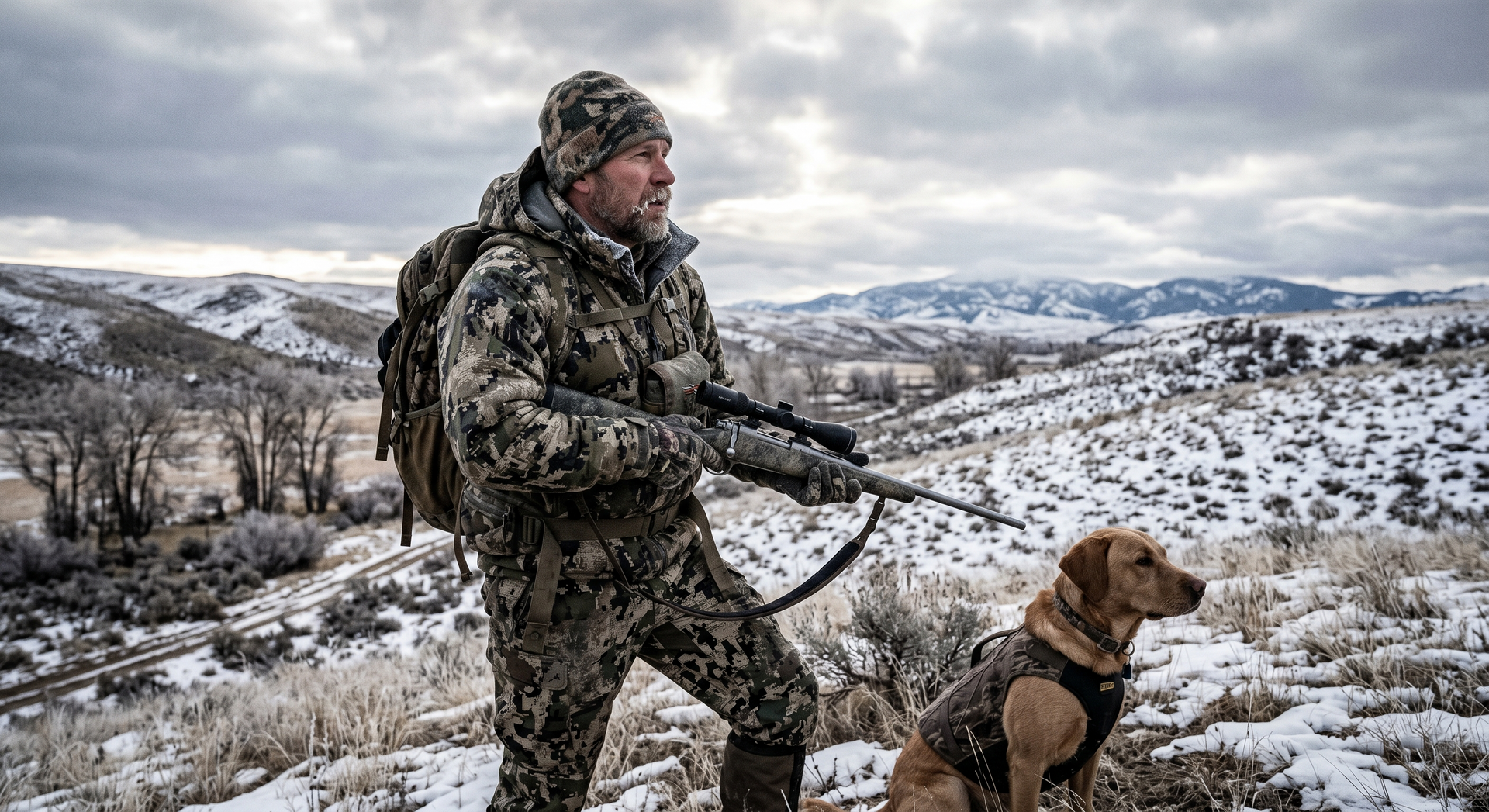
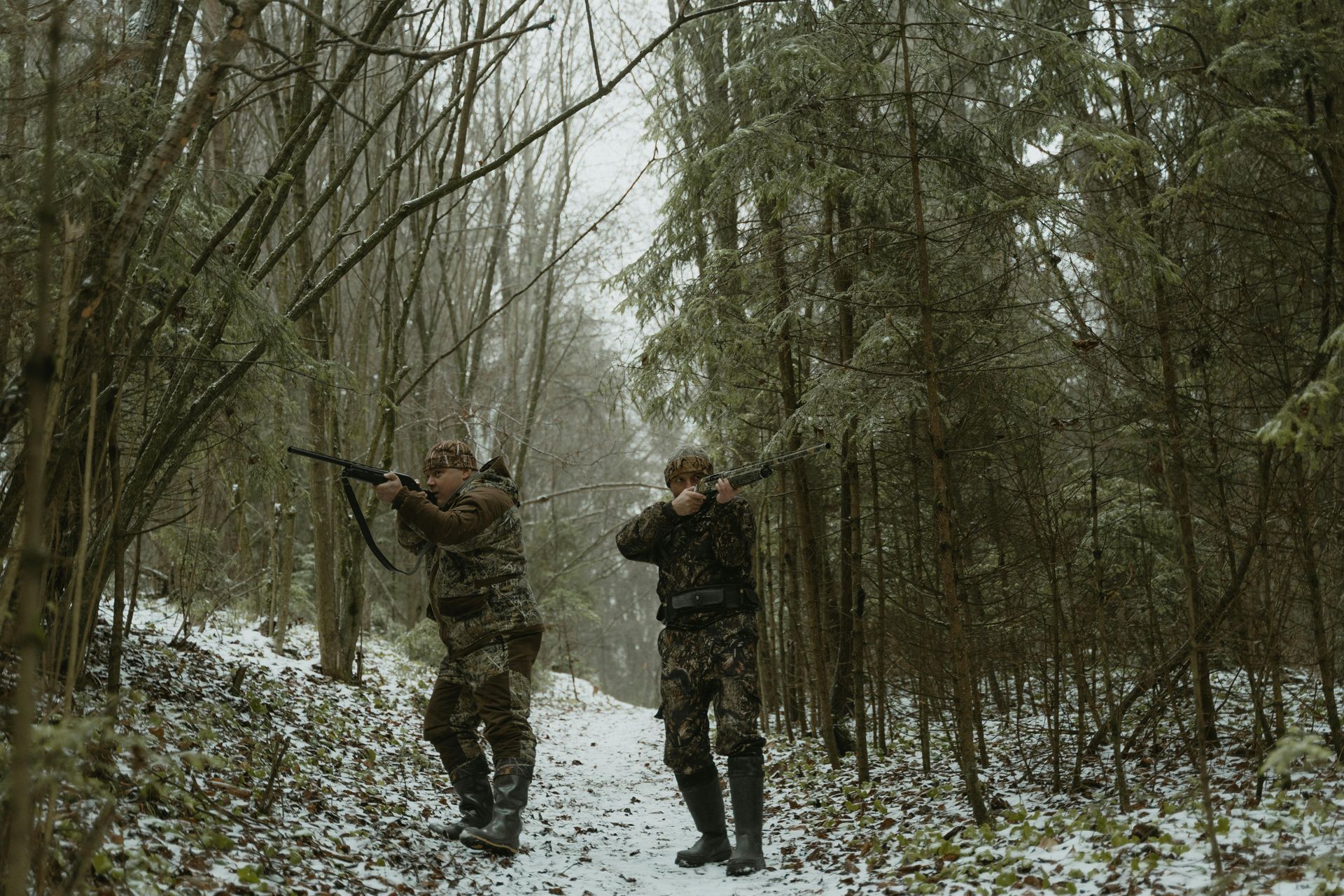
Every duck season in Arkansas brings new challenges—shifting weather, wary birds, and changing water levels. But local guides know how to adapt and stay successful, day after day. Whether you’re new to the sport or a seasoned hunter, these top 10 duck hunting tips from professional guides in Arkansas will help you improve your odds in the blind.
At Bayou Bottoms Guide Service, we’ve spent decades scouting birds, fine-tuning decoy spreads, and calling ducks in every imaginable condition. Here are our best lessons from the field.
1. Scout More Than You Hunt
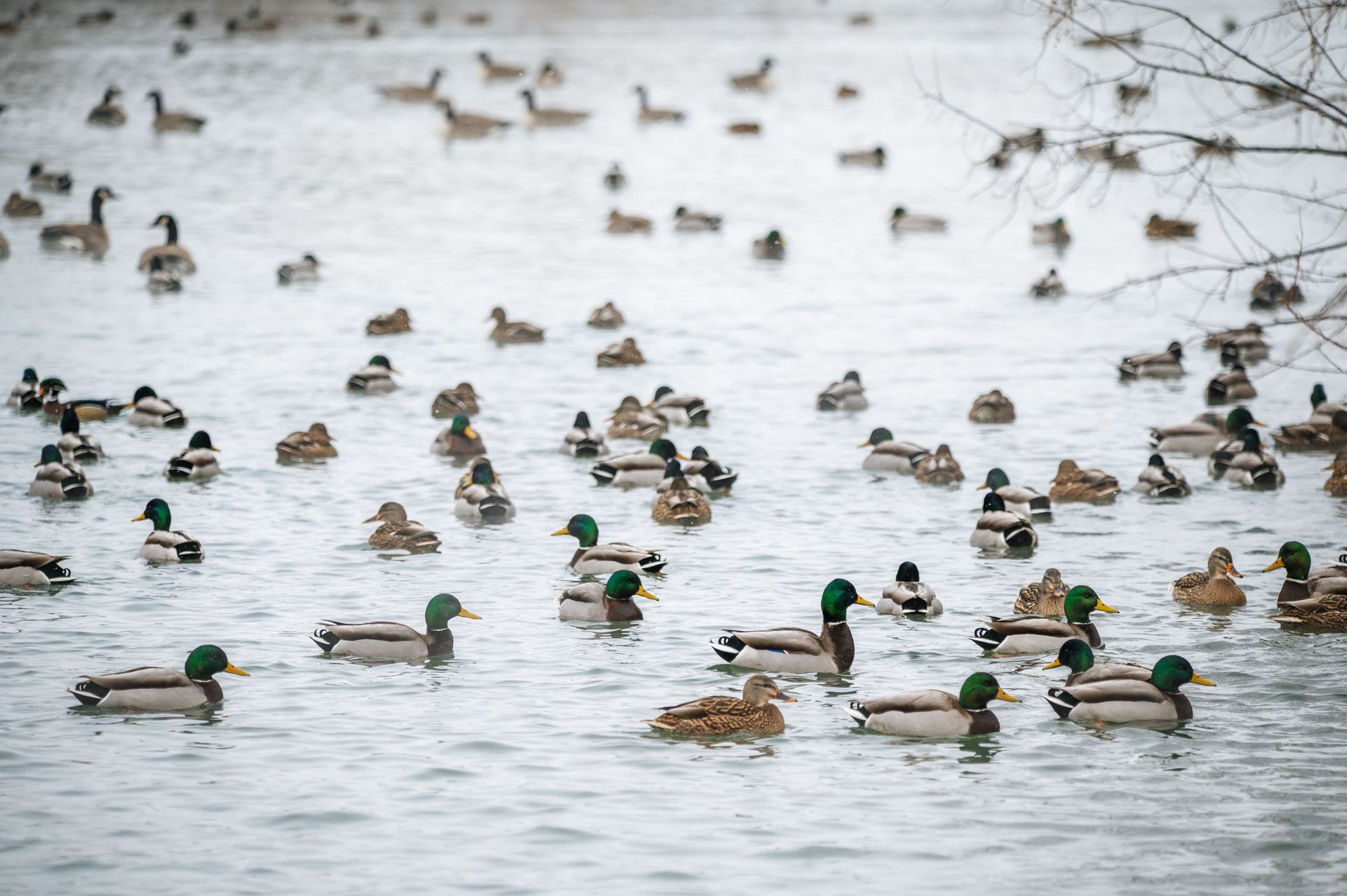
Consistent success starts with scouting. Arkansas ducks follow patterns tied to food, wind, water, and pressure. The best guides spend more time watching ducks than chasing them.
Look for:
- Where birds are feeding and roosting
- Flight lines between food and rest areas
- Fresh signs like feathers, droppings, or tracks
Scouting the day before or even hours before your hunt gives you the edge.
2. Match Your Spread to the Situation
Decoy strategy is not one-size-fits-all. Use different spreads based on the habitat, time of season, and bird behavior.
General guidelines:
- Early season: smaller spreads with mixed species
- Mid-season: medium to large spreads with aggressive motion
- Late season: fewer decoys, focus on realism and spacing
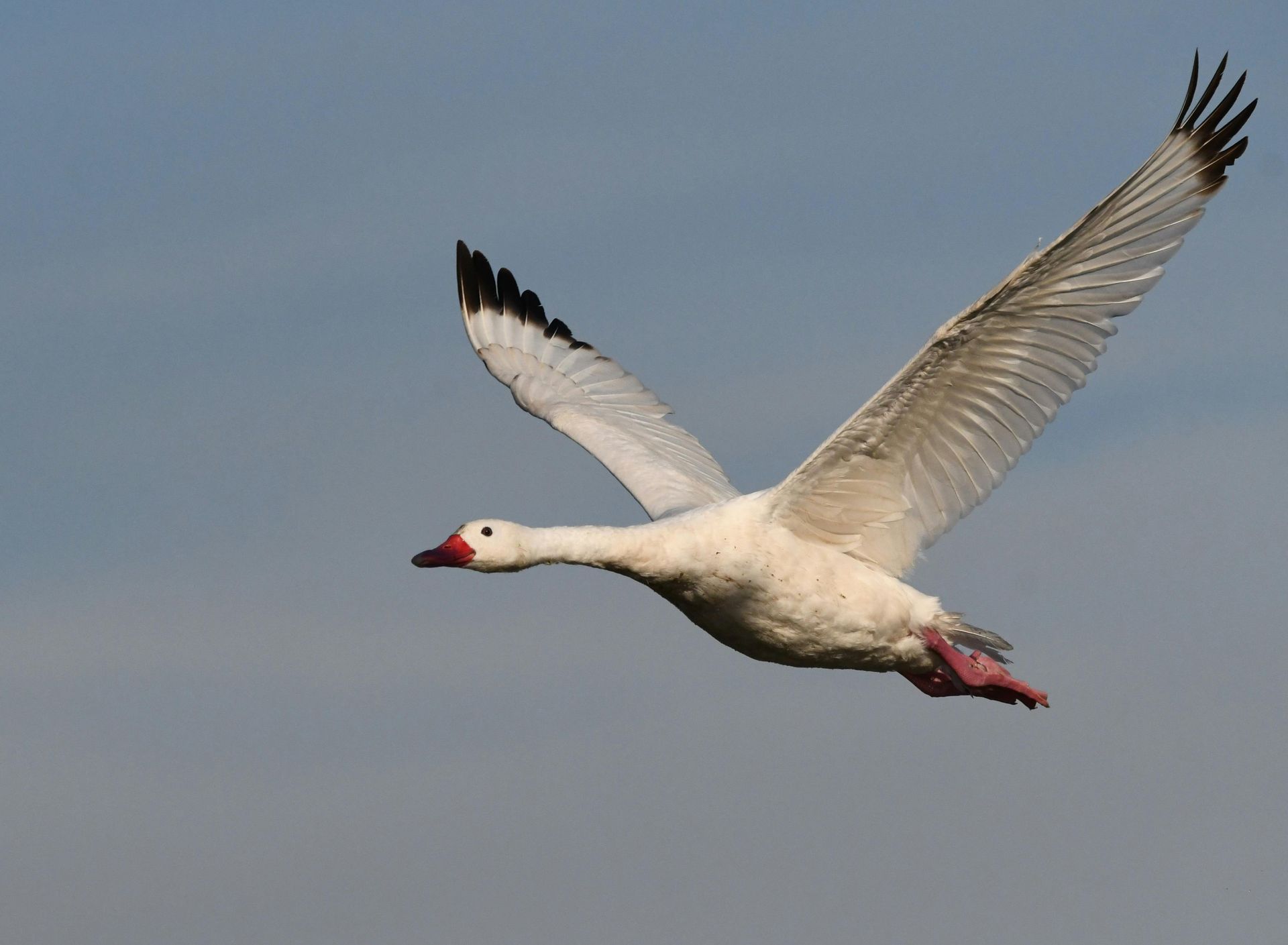
In fields, snow goose decoy spreads can reach thousands. In timber, a dozen well-placed decoys may be all you need.
3. Master the Wind and Sun
Wind direction determines how ducks approach your decoys. Sunlight affects how well you and your blind are hidden.
Position your blind:
- With wind at your back or side
- So ducks land facing into your shooting lane
- Out of direct sunlight that could reflect off your gear or face
Shadows and wind work together to hide movement and improve shooting angles.
4. Blend In—Every Detail Matters
Ducks are sharp-eyed. Even small mistakes in concealment can flare a flock. Whether you're hunting rice fields, flooded timber, or field edges, take time to disappear.
Tips for better concealment:
- Brush blinds with local vegetation daily
- Break up hard edges and outlines
- Cover shiny gear, phones, and faces
The most successful hunters are often the ones you can’t see.
5. Call Less, Observe More
Calling ducks is an art—but in many cases, less is more. Overcalling is one of the most common mistakes beginners make.
Tips from our guides:
- Let the birds show you what they want
- Use soft feeding chuckles and single quacks first
- Call only when birds respond positively
Sometimes silence is the best call. Let your decoys do the talking.
6. Know the Duck You’re Hunting
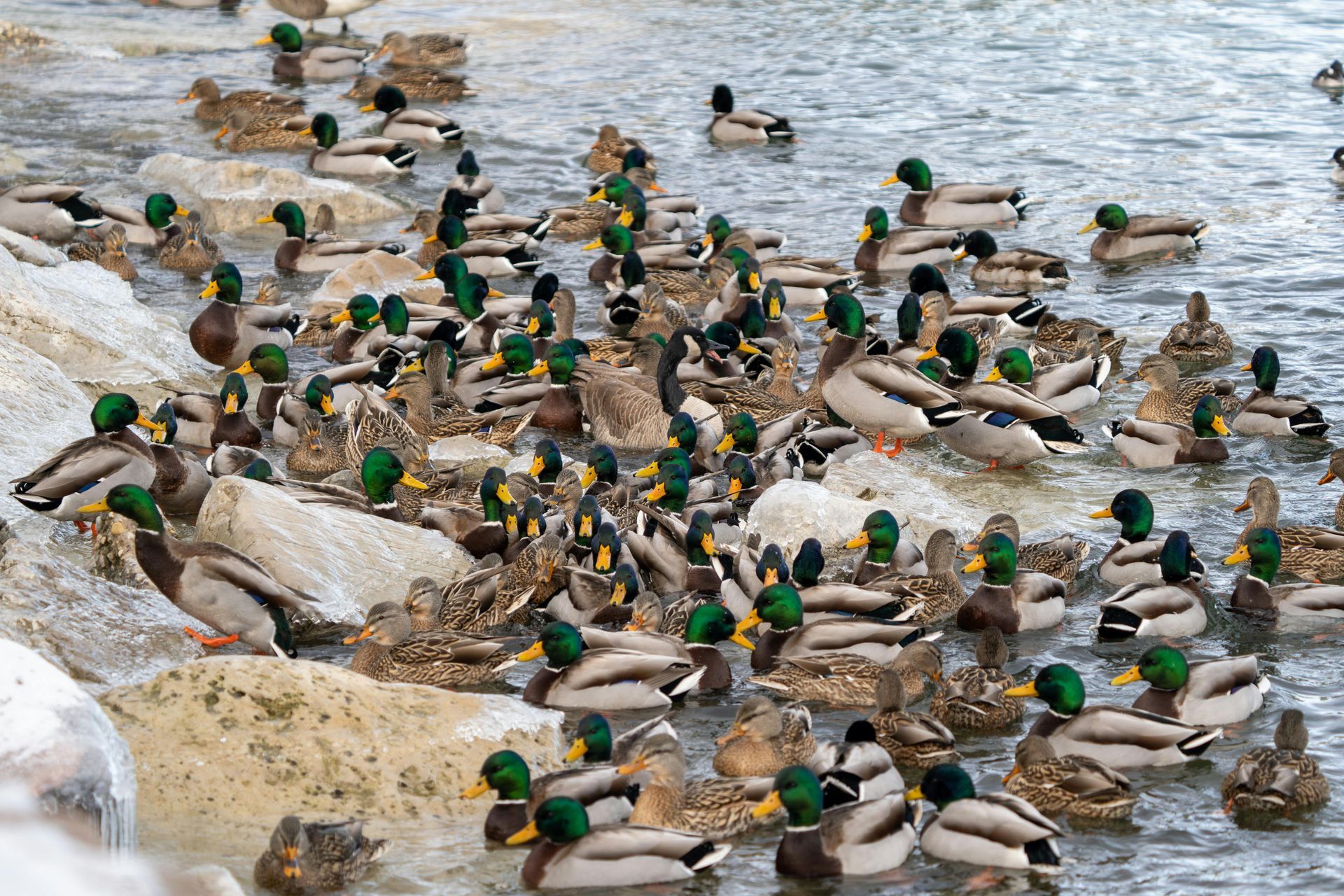
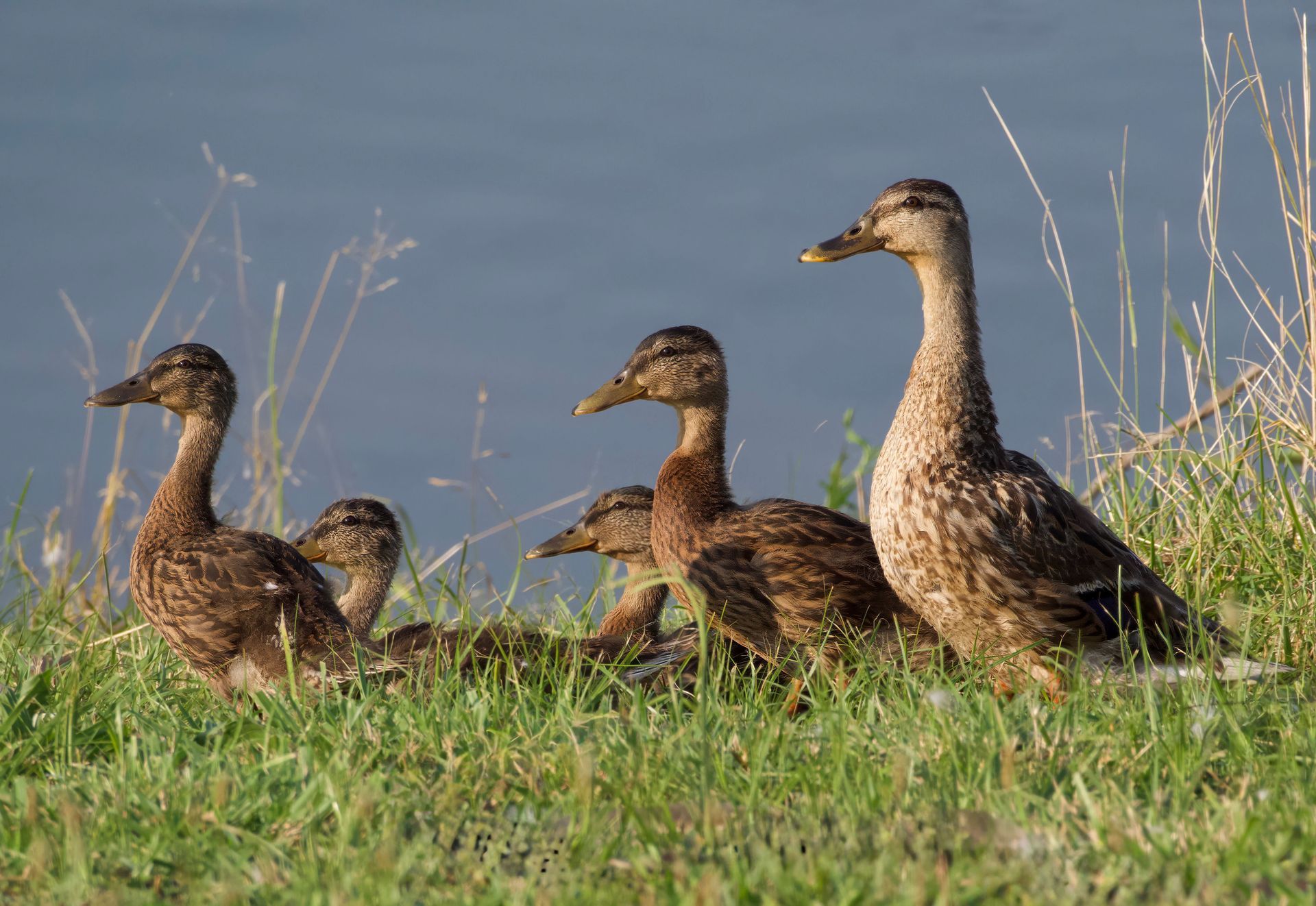
Each species behaves differently. Mallards love timber and respond to calls. Teal move fast and react to motion. Pintails are cautious and prefer open water.
Understand:
- Preferred habitat for each species
- Typical flight times
- How they respond to decoys and calls
Targeting behavior leads to better setups and smarter shooting.
7. Don’t Rush the Shot
Patience kills more ducks than speed. Wait for the birds to finish and fully commit. Shooting too early often results in missed birds or flaring the flock.
Guide tip:
- Let the guide call the shot for group hunts
- Wait until the birds are feet-down and wings set
- Take one clean shot rather than skybusting
More quality shots equal more birds in the bag.
8. Adapt to Changing Conditions
What worked last week won’t always work today. Changing weather, hunting pressure, and migration patterns demand flexibility.
Be ready to:
- Move blinds or decoys midday
- Shift to a different field or timber hole
- Change calling styles or decoy spreads
At Bayou Bottoms, our success comes from daily scouting and adapting to the birds—not sticking to routine.
9. Bring the Right Gear
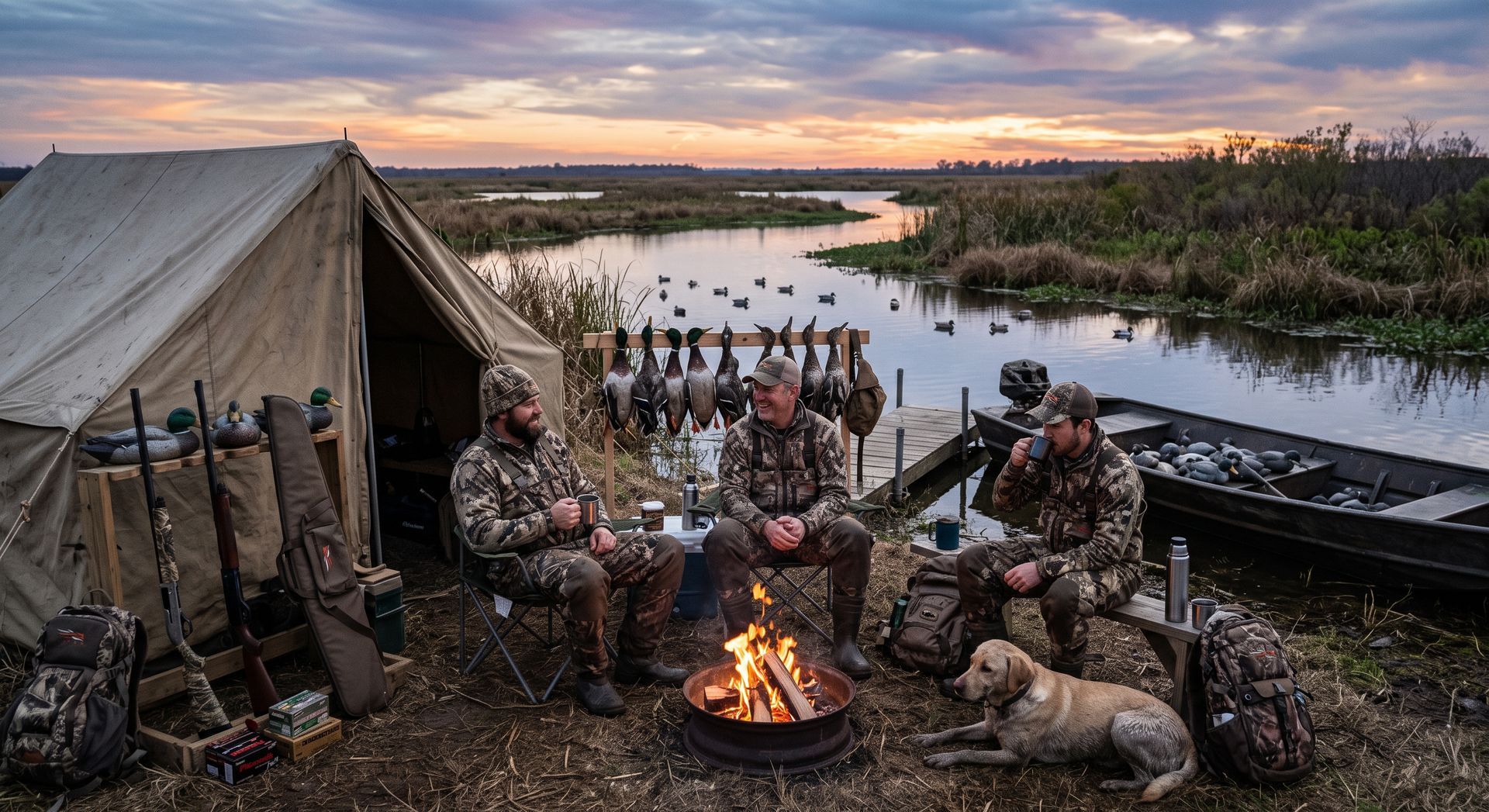
Unprepared hunters suffer in the field. Cold, wet, or uncomfortable conditions can ruin a good hunt.
Essentials include:
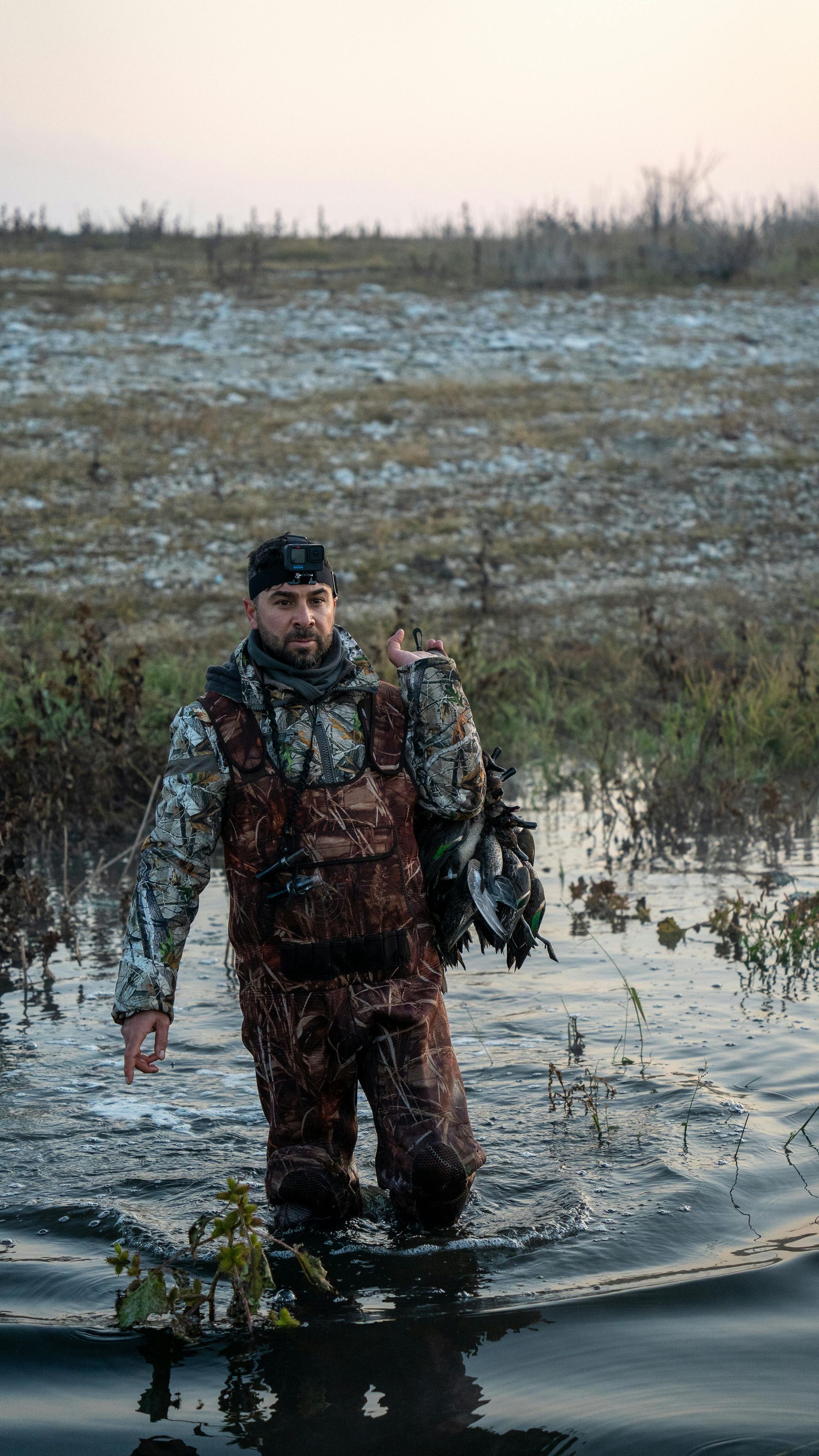
- Waterproof waders and outerwear
- Layered clothing for changing weather
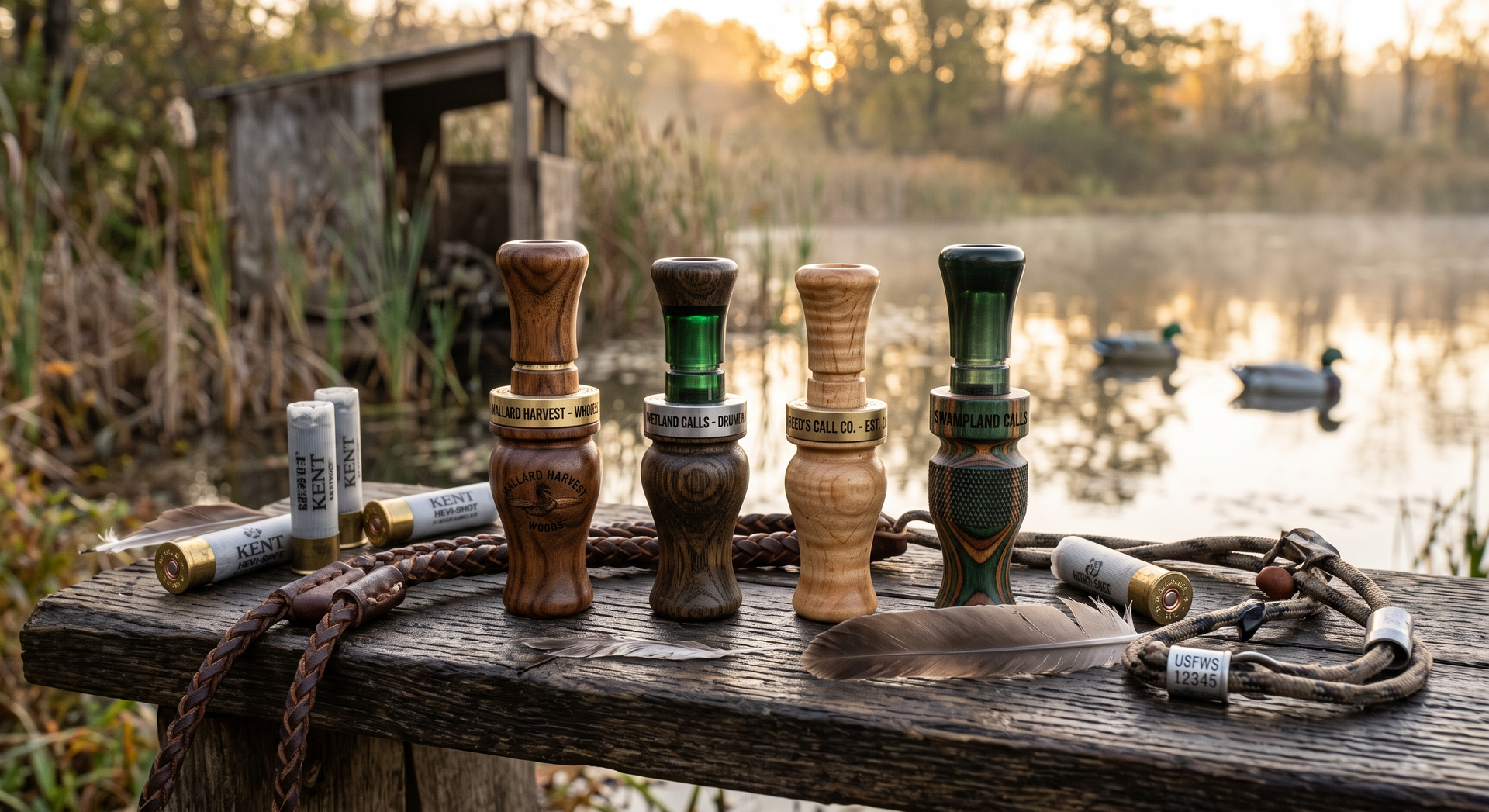
- Shotgun suited for waterfowl (12- or 20-gauge)
- Non-toxic shells (#2, #3, or #4)
- Blind bag with snacks, water, gloves, and a headlamp
The right gear keeps you focused on the hunt, not the discomfort.
10. Hunt with People Who Know the Land
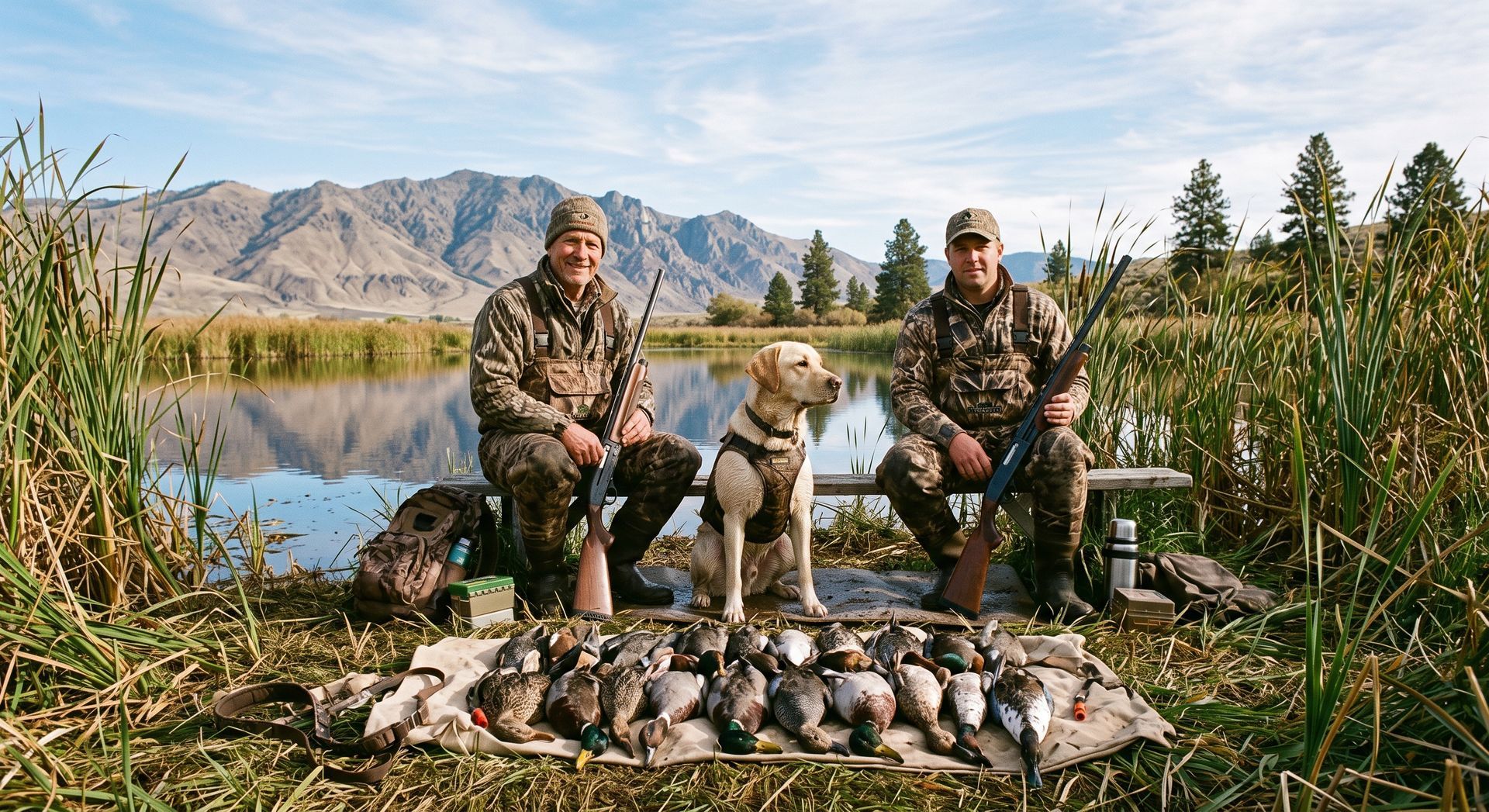
There’s no substitute for local knowledge. From understanding where birds roost to how weather patterns impact migration, local guides offer a huge advantage.
Why hunt with Bayou Bottoms Guide Service:
- Access to private flooded timber and rice fields
- Daily scouting to place you where birds are
- Proven success across all phases of the season
- Personalized hunts for all experience levels
A good guide can shorten your learning curve and increase your odds of a successful hunt.
Final Thoughts
Duck hunting in Arkansas can be one of the most rewarding outdoor experiences you’ll ever have—but success comes from strategy, observation, and preparation. These tips, drawn directly from the experience of seasoned guides, are designed to give you the confidence and tools to make every hunt count.
If you're ready to apply these tips in the field, join us at Bayou Bottoms Guide Service. From first-time hunters to seasoned waterfowlers, we tailor each hunt for success.
Visit: https://www.bayoubottoms.com/
Call: (618) 889-0919
Follow: https://www.facebook.com/Arkansaswaterfowl