Duck Hunting with Kids: How to Make It Safe, Fun, and Successful
Duck Hunting with Kids: Tips for a Safe, Fun, and Memorable Experience

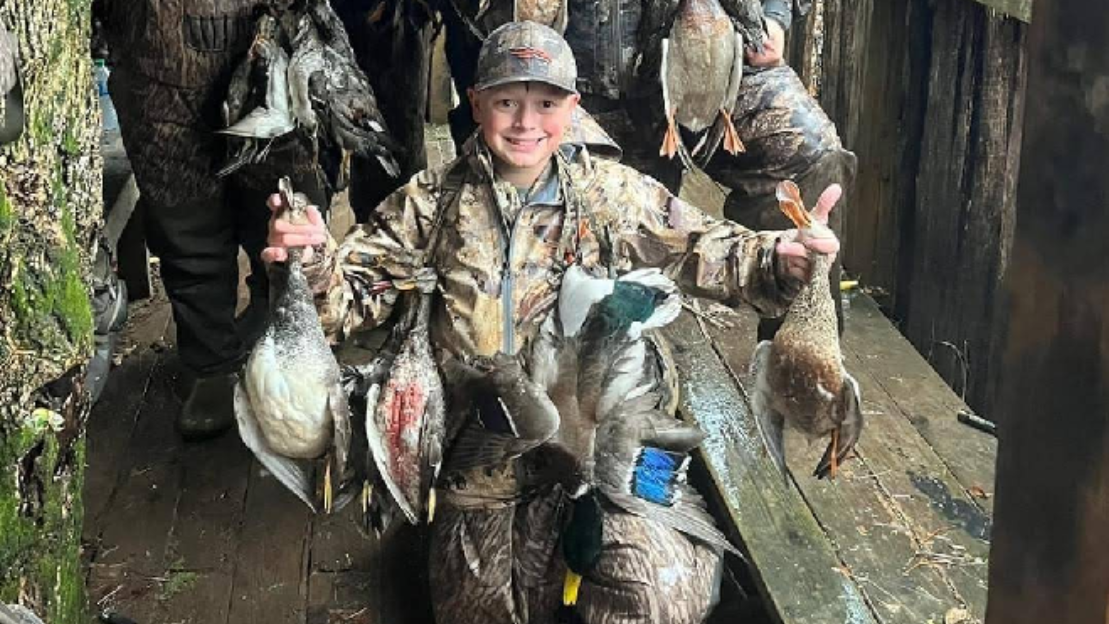
Bringing kids into the blind is one of the most rewarding experiences a waterfowl hunter can have. Teaching the next generation about duck hunting not only strengthens the tradition—it also builds confidence, patience, and a deeper connection to the outdoors.
At Bayou Bottoms Guide Service, we regularly host families and youth hunters. With the right preparation, duck hunting with kids can be safe, fun, and highly successful.
Why Take Kids Duck Hunting?
Hunting teaches more than just how to shoot. It instills values like responsibility, respect for wildlife, and teamwork. Duck hunting, in particular, is a great introduction for younger hunters because:
- It offers active, engaging action
- Hunts are typically shorter in duration
- Blinds allow for conversation and education
- Kids can participate in calling, spotting, and retrieving
Waterfowl hunting can also be a social and family-oriented tradition, providing memories that last a lifetime.
Ideal Age to Start Duck Hunting
There’s no set age, but many kids can begin participating around 8 to 10 years old—depending on their maturity and interest.
Factors to consider:
- Ability to handle early mornings and cold weather
- Willingness to follow safety instructions
- Attention span during slower moments
- Comfort handling gear (with supervision)
Younger children can start by joining as observers before becoming active shooters.
Youth Hunting Weekends in Arkansas
Arkansas offers dedicated youth waterfowl hunting weekends both before and after the regular duck season. These special dates allow young hunters (under age 16) to hunt with a licensed adult without the competition or pressure of peak season.
Benefits of youth hunts:
- Less crowded areas
- Focused attention from adult or guide
- Higher chance of bird encounters in calm conditions
- Great learning opportunities
At Bayou Bottoms, we strongly support these weekends and offer guided youth hunts designed around safety and education.
Safety First: Key Guidelines for Hunting with Kids
Safety is the top priority on any hunt, especially when children are involved.
Tips to keep youth hunters safe:
- Use age-appropriate firearms (typically .410 or 20-gauge)
- Always keep firearms unloaded until in position
- Provide clear instruction on muzzle control
- Teach safe shooting zones and identify no-shoot areas
- Use hearing and eye protection
Guides and parents should demonstrate safety by example and maintain control of the hunt at all times.
Keep It Comfortable and Fun
A cold, bored, or uncomfortable child won’t enjoy the hunt—and might not want to return. Make it a positive experience with these tips:
- Dress them in quality layers and waterproof clothing
- Pack snacks, hot drinks, and hand warmers
- Choose a blind with room to move and sit comfortably
- Bring binoculars for bird watching
- Keep expectations realistic
Even if the birds don’t cooperate, being outdoors, watching the sunrise, and learning about nature can make the day worthwhile.
Make Kids Part of the Hunt
Children learn best by doing. Involve them in all aspects of the experience:
- Help set out decoys or carry light gear
- Teach them about duck identification and migration
- Let them use a practice call
- Encourage questions and reward curiosity
The goal isn’t to limit out—it’s to build knowledge and confidence with each trip.
Equipment Tips for Youth Hunters
Outfitting kids with proper gear makes the hunt smoother and safer.
Recommended gear includes:
- Lightweight, compact shotgun with low recoil
- Hearing protection (ear muffs work better than plugs for kids)
- Properly fitted waders or insulated boots
- Comfortable shooting gloves
- Youth-sized camo outerwear
Guides can assist with firearm setup and ensure your child is using safe and functional equipment.
Frequently Asked Questions
Can my child shoot during a guided hunt?
Yes, if they meet age and licensing requirements and can safely handle a firearm. We welcome youth hunters at Bayou Bottoms.
What licenses does a youth hunter need in Arkansas?
Youth under 16 are not required to have a license, federal duck stamp, or HIP registration in Arkansas for waterfowl hunting.
Can I bring two children on a hunt?
Yes, though one adult must closely supervise both. We recommend one-on-one for first-time hunts, but we can accommodate families.
What if my child gets cold or tired?
We plan our youth hunts to be flexible. If breaks or early exits are needed, we adjust to keep the experience positive.
Are there age limits on guided hunts?
No set age, but we recommend at least 8 years old for active participation. Younger kids can come along as observers.
Start a Lifelong Hunting Tradition
Introducing kids to duck hunting is about more than the hunt—it’s about passing down values, knowledge, and love for the outdoors. A positive early experience can spark a lifelong passion for conservation, wildlife, and family traditions in the blind.
At Bayou Bottoms Guide Service, we’re proud to offer safe, family-friendly duck hunts tailored to youth and first-time hunters. Let us help you create memories your child will never forget.
Visit:
https://www.bayoubottoms.com/
Call: (618) 889-0919
Follow: https://www.facebook.com/Arkansaswaterfowl